

Summer travel should be exciting. Whether you’re heading to a tropical beach, exploring a bustling city, embarking on a road trip, or visiting family abroad, the anticipation of a new adventure is part of the fun. Yet for many travelers, that excitement quickly turns into stress the moment packing begins.
Overpacked suitcases, forgotten essentials, wrinkled clothes, overweight baggage fees, and last-minute scrambling can make even the most carefully planned trip feel chaotic. The good news is that packing doesn’t have to be a stressful experience. A few smart strategies can save space, keep belongings organized, and make traveling significantly more enjoyable.
The best packing hacks aren’t about squeezing as much as possible into a suitcase. They’re about packing smarter, reducing unnecessary items, and creating a system that helps you travel with confidence. Whether you’re a frequent flyer or planning your first major summer getaway, these practical packing techniques can help you avoid common mistakes and make every trip smoother.
Why Most People Overpack
Many travelers pack based on possibilities rather than probabilities. They imagine every situation that might occur during the trip and pack an outfit or item for each scenario. Before long, a weekend getaway requires a suitcase large enough for a month-long vacation.
Overpacking often stems from uncertainty. People worry about forgetting something important, so they compensate by bringing too much. Ironically, this approach usually creates more problems than it solves. Heavy luggage is harder to carry, takes longer to unpack, and makes finding items more difficult.
Understanding why overpacking happens is the first step toward building better travel habits.
Common Reasons People Overpack
- Fear of forgetting important items
- Packing for unlikely situations
- Bringing too many outfit options
- Poor trip planning
- Lack of confidence in destination shopping options
- Waiting until the last minute to pack
Start With a Packing List Before Opening Your Suitcase
One of the simplest travel hacks is also one of the most effective. Before placing anything in your luggage, create a detailed packing list.
A packing list forces you to think intentionally about what you actually need. Instead of randomly throwing items into a suitcase, you create a plan based on your destination, activities, weather conditions, and trip length.
Many experienced travelers use the same master checklist for every trip and adjust it as needed. This approach dramatically reduces the chance of forgetting essentials while preventing unnecessary items from making their way into your luggage.
Basic Summer Travel Packing Categories
| Category | Examples |
| Clothing | Shirts, shorts, dresses, swimwear |
| Toiletries | Toothbrush, sunscreen, skincare |
| Electronics | Phone, charger, power bank |
| Documents | Passport, tickets, ID |
| Health Items | Medications, first aid supplies |
| Accessories | Sunglasses, hat, reusable water bottle |
Use the Rule of Outfit Planning
A common packing mistake involves bringing random clothing items that don’t coordinate with one another. Travelers often pack based on individual pieces rather than complete outfits.
Instead, plan specific outfits before packing. Choose versatile clothing items that can be mixed and matched throughout the trip. Neutral colors often work particularly well because they pair easily with multiple combinations.
This strategy reduces the number of clothes required while increasing outfit options. It also eliminates the frustration of arriving at your destination only to realize that certain items don’t work together.
Smart Outfit Planning Tips
- Stick to a consistent color palette
- Pack versatile basics
- Choose wrinkle-resistant fabrics
- Limit shoes to essential pairs
- Prioritize comfort over trends
- Pack items that serve multiple purposes
Roll Clothes Instead of Folding Them
One of the most popular packing hacks remains popular for a reason: it works.
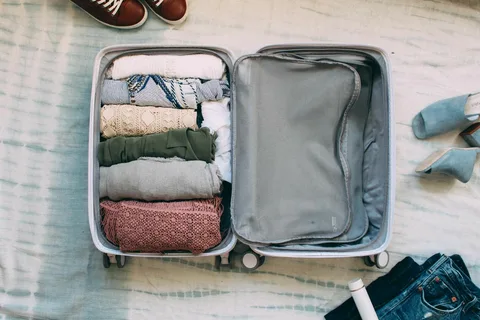
Rolling clothes generally saves space compared to traditional folding methods. It also helps reduce wrinkles and makes it easier to see everything inside your suitcase. Instead of digging through stacked layers of clothing, you can quickly locate specific items.
The technique works especially well for casual clothing such as t-shirts, shorts, activewear, and lightweight summer garments.
Rolling vs Folding Comparison
| Method | Benefits | Drawbacks |
| Rolling | Saves space, reduces wrinkles | Less effective for structured garments |
| Folding | Better for formal wear | Takes more space |
| Packing Cubes | Excellent organization | Requires additional accessories |
Invest in Packing Cubes
Packing cubes have become a favorite tool among experienced travelers, and for good reason. These lightweight organizers help separate clothing and accessories into clearly defined categories.
Rather than opening your suitcase and encountering a jumble of belongings, packing cubes create a system. One cube might contain shirts, another underwear and socks, while a third stores workout clothes.
Packing cubes also make unpacking significantly easier. Instead of placing every item individually into hotel drawers, you can simply move the cubes into the appropriate space.
Benefits of Packing Cubes
- Better organization
- Faster unpacking
- Easier outfit planning
- Improved suitcase efficiency
- Reduced clutter during travel
- Quicker access to essentials
Pack Shoes Carefully
Shoes often consume more luggage space than travelers realize. A few unnecessary pairs can quickly fill a suitcase and add significant weight.
Most summer trips require fewer shoes than people expect. In many cases, three pairs are sufficient: comfortable walking shoes, casual footwear, and a dressier option if needed.
To maximize space, place smaller items inside shoes. Socks, chargers, belts, and other compact accessories fit surprisingly well inside footwear.
Recommended Summer Travel Shoe Guide
| Trip Type | Suggested Shoes |
| Beach Vacation | Sandals, walking shoes |
| City Exploration | Sneakers, casual shoes |
| Business Travel | Formal shoes, comfortable walking shoes |
| Adventure Travel | Hiking shoes, sandals |
| Cruise Vacation | Casual shoes, dress shoes |
Create a Dedicated Travel Essentials Bag
Nothing is more frustrating than searching through luggage for a passport, charger, medication, or boarding pass while standing in an airport line.
A dedicated travel essentials pouch keeps important items easily accessible. This small bag should remain with you throughout the journey rather than being packed deep inside larger luggage.
Think of it as your travel command center. Everything you might need quickly should be stored in one convenient location.
Items to Keep in Your Essentials Bag
- Passport or identification
- Boarding passes
- Credit cards
- Cash
- Phone charger
- Earbuds
- Medication
- Pen
- Travel itinerary
Follow the 3-1-1 Rule for Carry-On Liquids
One of the most common airport mistakes involves packing liquids incorrectly. Security regulations often require liquids to follow specific guidelines, particularly for carry-on baggage.
Understanding these requirements before arriving at the airport can save time and prevent unnecessary delays. Many travelers accidentally lose expensive products because they forget to check liquid restrictions.
Using travel-sized containers not only helps meet regulations but also saves valuable luggage space.
Carry-On Liquid Checklist
| Item | Travel-Friendly Option |
| Shampoo | Travel-size bottle |
| Conditioner | Travel-size bottle |
| Sunscreen | TSA-compliant container |
| Moisturizer | Mini container |
| Toothpaste | Travel-size tube |
Keep a Change of Clothes in Your Carry-On
Lost luggage remains one of travel’s most frustrating possibilities. While airlines successfully deliver most checked bags, delays occasionally happen.
Packing a change of clothes in your carry-on provides peace of mind. If checked luggage is delayed, you’ll still have basic necessities available.
This simple precaution can make a significant difference, particularly during international travel or trips involving multiple connections.
Carry-On Backup Essentials
- One complete outfit
- Undergarments
- Travel-size toiletries
- Medication
- Chargers
- Important documents
Don’t Forget Summer-Specific Essentials
Summer travel introduces unique challenges. Heat, humidity, sun exposure, and outdoor activities often require items that might not be necessary during other seasons.
Packing these essentials ahead of time can help prevent discomfort and unnecessary purchases during your trip.
Must-Have Summer Travel Items
| Item | Purpose |
| Sunscreen | Sun protection |
| Sunglasses | Eye protection |
| Hat | Shade and comfort |
| Reusable water bottle | Hydration |
| Portable fan | Cooling |
| Lightweight clothing | Comfort in warm weather |
Use the “Wear the Bulkiest Items” Strategy
One of the easiest ways to save suitcase space is to wear your largest and heaviest items during transit. This is particularly useful when traveling between destinations with varying climates or when packing space is limited.
Bulky sneakers, jackets, hoodies, and heavier pants can occupy a surprising amount of room inside a suitcase. Wearing them on the plane or during travel frees up valuable luggage space for other essentials.
This strategy can also help reduce the weight of checked baggage, potentially saving money on airline fees.
Items Worth Wearing Instead of Packing
- Sneakers or hiking shoes
- Denim jackets
- Hoodies
- Lightweight sweaters
- Travel pants with multiple pockets
- Hats that might get crushed in luggage
Pack According to Your Itinerary
Many travelers pack first and plan activities later. A better approach is to build your packing list around your actual itinerary.
If you’re spending most of your trip at the beach, you likely don’t need multiple formal outfits. If your vacation involves city sightseeing, comfortable walking shoes should take priority over fashion-focused options.
Packing according to your schedule helps eliminate unnecessary items while ensuring you have everything required for planned activities.
Example Packing by Travel Style
| Travel Type | Priority Items |
| Beach Vacation | Swimwear, sandals, sunscreen |
| City Break | Comfortable shoes, day bag |
| Adventure Trip | Activewear, hiking gear |
| Cruise | Casual and evening attire |
| Business Travel | Professional clothing, laptop |
Organize Electronics Before Departure
Modern travelers rarely leave home without multiple electronic devices. Phones, tablets, laptops, cameras, earbuds, and smartwatches all require chargers and accessories.
Without proper organization, cables can quickly become tangled and difficult to manage. A dedicated electronics organizer keeps everything accessible and prevents damage during travel.
Before leaving, charge all devices fully and download any maps, entertainment, or travel documents that may be useful offline.
Essential Electronics Checklist
- Phone charger
- Power bank
- Universal adapter
- Earbuds or headphones
- Camera batteries
- Charging cables
- Laptop charger
- Offline travel apps
Use the Layering Method for Longer Trips
Packing for a two-week vacation doesn’t necessarily require twice as many clothes as packing for a one-week trip. Layering allows travelers to create multiple outfit combinations from a smaller wardrobe.
Lightweight clothing pieces that can be combined in different ways provide flexibility while reducing luggage volume. This approach works particularly well during summer travel when bulky outerwear is unnecessary.
A carefully selected capsule wardrobe can produce dozens of outfit combinations from a relatively small number of items.
Capsule Wardrobe Example
| Item | Quantity |
| T-Shirts | 4-5 |
| Shorts | 2-3 |
| Lightweight Pants | 2 |
| Dresses or Shirts | 2-3 |
| Swimwear | 2 |
| Comfortable Shoes | 2-3 pairs |
Keep Laundry in Mind
Many travelers pack enough clothing to avoid doing laundry entirely. While this may seem convenient, it often results in unnecessarily heavy luggage.
For trips longer than a week, access to laundry facilities can dramatically reduce packing requirements. Many hotels, vacation rentals, and hostels provide laundry options.
Even washing a few essential items midway through a trip can significantly lighten your packing load.
Advantages of Packing Less and Washing More
- Lighter luggage
- Easier mobility
- More suitcase space
- Lower baggage fees
- Less clutter during travel
- Greater flexibility for shopping
Protect Important Documents
Travel documents are among the most important items you carry. Losing a passport, identification card, or travel confirmation can create major complications.
Keeping both physical and digital copies of important documents adds an extra layer of security. Cloud storage, secure email backups, and printed copies can all prove useful in emergencies.
A dedicated document organizer helps ensure that everything remains accessible throughout your journey.
Documents to Backup
| Document | Backup Recommendation |
| Passport | Physical and digital copy |
| Identification | Digital copy |
| Flight Tickets | Printed and digital |
| Hotel Reservations | Digital access |
| Travel Insurance | Printed and digital |
| Emergency Contacts | Physical copy |
Common Packing Mistakes to Avoid
Even experienced travelers occasionally make packing mistakes. Recognizing common errors can help you avoid unnecessary stress and improve future trips.
Many mistakes stem from poor planning, overpacking, or underestimating practical needs. Fortunately, most of them are easy to avoid with a little preparation.
Frequent Packing Errors
- Packing too many shoes
- Ignoring weather forecasts
- Forgetting chargers
- Waiting until the last minute
- Bringing full-size toiletries
- Packing valuables in checked luggage
- Overestimating outfit requirements
- Not checking airline baggage policies
Ultimate Stress-Free Packing Checklist
A final checklist helps ensure nothing important gets overlooked before departure. Reviewing essentials one last time can prevent last-minute panic and reduce travel anxiety.
Pre-Departure Packing Checklist
| Category | Status Check |
| Passport and ID | ✓ |
| Travel documents | ✓ |
| Clothing | ✓ |
| Toiletries | ✓ |
| Electronics | ✓ |
| Chargers | ✓ |
| Medications | ✓ |
| Wallet and payment methods | ✓ |
| Sunglasses and sunscreen | ✓ |
| Carry-on essentials | ✓ |
Quick Packing Hacks That Save Time
Some travel tips require planning, while others can be implemented immediately. These simple hacks help streamline the packing process and improve organization.
Fast Packing Tips
- Pack by category, not room
- Use packing cubes
- Roll casual clothing
- Store socks inside shoes
- Keep travel-sized toiletries ready year-round
- Create a reusable packing checklist
- Weigh luggage before leaving home
- Leave extra room for souvenirs
Frequently Asked Questions
1. How far in advance should I start packing for a trip?
Creating a packing list one week before departure and packing one to two days before travel usually provides enough time to avoid rushing.
2. Is rolling clothes really better than folding?
For most casual clothing, rolling saves space and improves visibility. Structured garments may still benefit from traditional folding.
3. How many shoes should I bring for a summer vacation?
Most travelers can comfortably manage with two to three pairs depending on their itinerary.
4. What is the biggest packing mistake travelers make?
Overpacking remains the most common mistake, often leading to heavier luggage and unnecessary stress.
5. Are packing cubes worth buying?
Yes. Packing cubes improve organization, simplify unpacking, and make it easier to locate items quickly during travel.
Conclusion:
Stress-free travel often begins long before you arrive at the airport. Smart packing strategies help reduce clutter, save space, and eliminate many of the frustrations that can accompany a trip. By focusing on organization, versatility, and thoughtful preparation, you can spend less time worrying about your luggage and more time enjoying your summer adventure.
Call to Action
Before your next trip, challenge yourself to pack lighter and smarter using the strategies in this guide. Create a checklist, plan your outfits carefully, and focus on essentials rather than “just in case” items. You may be surprised by how much easier and more enjoyable travel becomes when you’re not dragging unnecessary baggage along for the journey.