


My friend Tariq runs a mid-sized e-commerce business in Lahore. Last year, he was barely breaking even — good product, decent traffic, but somehow the numbers just weren’t moving. Then, over about eight months, he made a handful of deliberate changes. Nothing flashy. No overnight viral moment. Just smarter decisions, one at a time.

By the end of the year, his revenue had grown by 63%.
I’ve watched this pattern play out across multiple businesses — both ones I’ve been involved with and ones I’ve observed closely. And what I’ve noticed is that the businesses growing in 2026 aren’t necessarily the ones with the biggest budgets or the most followers. They’re the ones that got their strategy right.
Here are ten of those strategies. Some of them Tariq used. Most of them I’ve seen work firsthand.
1. Stop Trying to Serve Everyone — Find Your Niche and Own It
The biggest mistake I see early-stage businesses make is trying to be everything to everyone. A clothing brand that sells formal wear, casual wear, sportswear, and kids’ clothes — all at once — ends up being remembered for nothing.
The businesses winning right now have gone narrow and deep. Instead of “digital marketing agency,” it’s “SEO for SaaS companies in the fintech space.” Instead of “online bakery,” it’s “gluten-free celebration cakes delivered in Karachi.”
Narrowing your niche doesn’t shrink your market — it sharpens your message. And a sharp message converts better than a broad one, every single time.
How to do it:
- List every type of customer you currently serve
- Identify which ones are most profitable and easiest to serve
- Build your messaging entirely around that group
2. Build a Revenue Engine Around Recurring Income
One of the most stressful things about running a business is waking up every month wondering where the next sale is coming from. I’ve been there. It’s exhausting.

The shift that changes everything is moving toward predictable, recurring revenue. This doesn’t just mean subscription boxes. Think retainer-based consulting, annual maintenance contracts, membership communities, or software-style licensing.
Tariq added a monthly “VIP restock” subscription to his store — customers paid upfront for a curated selection delivered monthly. Within three months, he had a reliable baseline of income every month regardless of how his ad campaigns were performing.
If your business model doesn’t have any recurring element, start building one. Even if it’s small at first, it changes your entire relationship with cash flow.
3. Use AI as a Team Member, Not Just a Toy
A lot of businesses dabbled with AI tools in 2023 and 2024 and decided it was “interesting but not for us.” That was a mistake — and 2026 is the year the gap between AI-native businesses and the rest is becoming painfully obvious.
I’m not talking about automating your entire company or replacing your team. I’m talking about specific, targeted use cases where AI saves hours every week:
- Customer support: Tools like Intercom’s AI agent or Tidio handle tier-1 queries around the clock, freeing your team for complex issues
- Content creation: Claude, ChatGPT, and Gemini can draft product descriptions, emails, and social posts in minutes
- Data analysis: Tools like Julius AI or even ChatGPT with data can scan your sales data and surface patterns your spreadsheet-tired brain might miss
- Outreach personalization: AI tools can help you write personalized cold emails at scale without sounding like a robot
The key is treating AI like a junior team member. It needs clear instructions, context, and human oversight. Give it that, and it multiplies your output significantly.
4. Double Down on Your Existing Customers Before Chasing New Ones
Here’s an uncomfortable truth: most businesses spend 80% of their marketing budget trying to acquire new customers while largely ignoring the people who already bought from them.
That’s backwards.
An existing customer already trusts you. They already know your product. They’re far more likely to buy again — often without any advertising cost attached. The companies growing fastest in 2026 are obsessing over customer lifetime value (LTV), not just acquisition.
Practical moves that work:
- Send a personal thank-you message to customers after their first purchase (yes, actually personal — or at least personalized)
- Create a loyalty program that rewards repeat purchases
- Set up automated win-back email sequences for customers who haven’t bought in 60-90 days (tools like Klaviyo or Mailchimp make this easy)
- Ask for referrals directly — most happy customers will refer if you simply ask them
A 5% increase in customer retention can increase profits by 25-95%, depending on your industry. Most businesses I know are leaving massive money on the table here.
5. Build in Public and Let Your Journey Market for You
One of the most underrated growth strategies right now is transparency. Sharing the behind-the-scenes of building your business — the wins, the failures, the decisions — builds a loyal audience that actually wants to see you succeed.
This isn’t about being vulnerable for the sake of it. It’s a legitimate marketing strategy.
A founder I know started posting weekly “business updates” on LinkedIn — revenue numbers, what worked, what flopped, honest lessons. Within six months, he had inbound client inquiries from people who had been following his journey for weeks. No paid ads. Just trust built over time.
Platforms where this works well right now: LinkedIn (especially for B2B), X/Twitter, and even long-form newsletters through Substack or Beehiiv.
You don’t need to share everything. But sharing enough creates a parasocial connection that turns followers into advocates.
6. Nail Your Unit Economics Before You Scale
This one comes from a painful lesson. A startup I was advising was growing 40% month-over-month — sounds amazing, right? Except they were losing money on every single order. They were scaling a broken model.
Before you pour money into ads or hire a bigger team, you need to know:
- Customer Acquisition Cost (CAC): What does it actually cost you to get one new paying customer?
- Customer Lifetime Value (LTV): How much revenue does that customer generate over their relationship with you?
- Payback Period: How long does it take to recover what you spent to acquire that customer?
A healthy business has LTV that’s at least 3x your CAC, with a payback period under 12 months.
If your numbers don’t look like this yet, fix them before scaling. More volume on a broken model just means bigger losses faster.
7. Build Strategic Partnerships (Not Just Followers)
Social media followers are great, but they’re also fragile. Algorithms change. Platforms decline. What doesn’t go away is a strong network of strategic partners who can send you business directly.
A strategic partnership in this context means two businesses that serve the same audience but don’t compete, choosing to actively promote each other.
A wedding photographer who partners with a catering company. A business coach who cross-promotes with an accountant who works with small businesses. A skincare brand that collaborates with a fitness studio.
The key is that both parties need to win. One-sided partnerships fall apart fast. Build genuine relationships, offer value first, and formalize it when there’s mutual interest.
8. Create Content That Answers Real Questions (Not Just What You Want to Say)
Content marketing in 2026 has evolved — the random blog post every few weeks isn’t cutting through anymore. What works is content that directly answers the questions your potential customers are actually searching for.
Think about it from the buyer’s perspective. Before someone hires a web designer, they might search “how much does a website cost in Pakistan” or “what should I look for in a web designer.” If you have a clear, helpful article answering those exact questions, you’re already in the conversation before the sales call even happens.
Tools worth knowing:
- Ahrefs or Semrush to find what your customers are searching for
- AnswerThePublic for question-based keyword ideas
- Google’s “People Also Ask” section — free research right in the search results
One good piece of content that ranks can bring you warm leads for years. That’s a much better return than most paid advertising.
9. Systematize Before You Delegate
A common growth killer: business owners who try to delegate before they’ve documented how things work. The result? Inconsistent output, frustrated team members, and work bouncing back to the founder anyway.
Before you hire or outsource anything, write down exactly how you want that thing done. Step by step. With examples. Store it somewhere accessible — Notion, Google Docs, or a dedicated tool like Trainual.
When Tariq’s business started growing, he documented every repeatable process: how to handle a customer complaint, how to pack and label orders, how to post on Instagram. When he eventually hired two assistants, onboarding took three days instead of three weeks — and his standards were actually maintained.
Systems aren’t glamorous. But they’re what allow a business to grow without the founder becoming the bottleneck.
10. Track Fewer Metrics — but Track Them Religiously
I’ve seen business dashboards with 47 different KPIs. Nobody is actually reading 47 numbers every week. And when everything is important, nothing is.

The highest-performing businesses I’ve seen run on a short list of metrics — usually 5 to 8 — that are directly tied to their core growth model. They review them weekly, every week, without exception.
What you track depends on your business, but here’s a solid starting point for most businesses:
- Monthly Recurring Revenue (or weekly sales if non-subscription)
- Customer Acquisition Cost
- Conversion rate (website visitors to buyers, or leads to customers)
- Churn rate (for subscription businesses)
- Net Promoter Score or customer satisfaction rating
Choose your numbers. Build a simple dashboard (Google Looker Studio is free and works well). Review it every Monday. Make decisions based on data, not gut feeling alone.
A Few Things That Seem Smart But Usually Backfire
Since we’re being honest here, a few “strategies” that sound good but have burned people I know:
Chasing viral moments: Going viral is mostly luck. Building a business around hoping for a viral moment is not a strategy.
Hiring too fast: Headcount feels like progress. But every hire adds cost, coordination overhead, and management complexity. Hire when you’re genuinely overwhelmed and have the revenue to sustain it — not as a signal that you’re “growing.”
Copying competitors exactly: Knowing what competitors are doing is smart. Copying their entire model is a race to the middle. If you’re identical to your competitor, why would a customer choose you?
Chasing every new platform: TikTok, Threads, Bluesky, whatever launches next — businesses that jump to every new platform usually master none. Go deep on one or two channels before adding more.
Where to Actually Start
If you’ve read this far, you’re probably feeling a mix of motivated and slightly overwhelmed. That’s normal. The strategies above aren’t meant to all be implemented at once.
Here’s a practical starting point: pick the one that addresses your biggest current bottleneck.
If you’re struggling to get customers, focus on content and niching down. If customers come but don’t return, focus on retention and recurring revenue. If the business is growing but chaotic, focus on systems. If you’re working 16-hour days doing everything yourself, focus on delegation and AI tools.
Business growth in 2026 isn’t about finding some secret hack that nobody else knows. It’s about executing fundamentals better than your competitors, making fewer costly mistakes, and building something sustainable rather than just impressive on the surface.
Tariq figured that out. So can you.
Celebrity Fashion Looks Everyone Is Copying Right Now
A few months ago, a friend texted me a photo of herself in a camel-colored trench coat, wide-leg trousers, and simple white sneakers, asking if it looked okay before she headed out. I immediately recognized the silhouette. It was almost identical to something Hailey Bieber had been photographed in about three weeks earlier — something my friend insisted she had “just put together herself.”

She probably had, in a way. That’s the thing about celebrity fashion in 2025 and 2026. By the time a look filters through Instagram, Pinterest boards, and street style accounts, people absorb it so naturally that they start believing the inspiration came from within. It didn’t. But that’s not a criticism — it’s actually how fashion has always worked, just faster now.
If you’ve been noticing certain looks everywhere and wondering where they originally came from, or if you’re trying to figure out how to actually wear some of these styles without spending a small fortune, this is the breakdown you were looking for.
The Hailey Bieber “Clean Girl” Formula
No celebrity look has been more widely copied over the past two years than what people have started calling the “clean girl” aesthetic — and Hailey Bieber is essentially its mascot.
The formula is deceptively simple. Slicked-back bun or low ponytail. Minimal gold jewelry, usually small hoops and a delicate chain. Fitted basics — a white tank, a ribbed long-sleeve, or a simple fitted tee. Well-cut trousers or straight-leg jeans. Neutral-toned outerwear. Clean sneakers or simple loafers.
That’s genuinely it. No loud patterns, no complicated layering, no statement piece screaming for attention. The whole effect depends on the quality of the fit and the restraint of the choices.
What makes this look deceptively hard to pull off is that everything has to actually fit properly. The basics need to skim the body rather than hang off it or cling too tightly. Loose basics just look underdressed. The clean girl look only reads as intentional when the proportions are right.
How to get it without buying everything new: search your wardrobe for your best-fitting white or cream top, your most well-cut pair of straight or slightly wide-leg trousers, and one piece of simple gold jewelry. Style the hair back, keep the makeup minimal, and wear the cleanest shoes you own. You’ll be surprised how close you can get with things you already have.
For the pieces you do want to invest in, brands like Uniqlo and COS nail the clean basics at reasonable prices. The ribbed tanks and fitted long-sleeves from both stores are exactly the kind of foundation pieces this look is built on.
Kendall Jenner’s Off-Duty Model Approach
Kendall Jenner has this specific way of dressing that looks effortless to the point of being almost accidental — which means it takes a particular kind of confidence to actually pull it off.

Her off-duty signatures include baggy vintage-wash jeans worn low on the hips, a tiny fitted crop top or simple bralette, and a leather jacket or oversized blazer thrown over the top. She pairs it almost exclusively with either chunky boots or classic white sneakers. The proportions are always interesting: something very fitted or small on top, something relaxed or wide on the bottom, or vice versa.
The thing that makes her version of this look so copied is that it feels genuinely thrown together. There’s no visible effort in the styling. The pieces look like they came from a mix of vintage stores and things she’s had for years.
The mistake most people make when attempting this look is over-thinking it. They pick pieces that are “meant” to go together, which immediately gives the outfit that assembled-for-the-photo quality that Jenner’s street style conspicuously lacks. The better approach is to start with one piece you genuinely love — a pair of jeans that fit you in an interesting way, a jacket you’ve worn a hundred times — and build around it casually rather than constructing an outfit top to bottom.
Thrift stores and resale apps like Depop are genuinely your best friend here. The oversized vintage tees and worn-in denim that make this aesthetic work are the exact things those platforms specialize in.
Zendaya’s Tailoring Era
If there’s a celebrity who has had the most visible influence on formal and semi-formal dressing in the past couple of years, it’s Zendaya. Her approach to tailoring — particularly during her press tours — has been studied and replicated on a scale that’s hard to overstate.
Her signatures are sharp-shouldered blazers, wide-leg or flared trousers, and a willingness to commit fully to a monochrome palette. She’ll wear head-to-toe chocolate brown, or an entirely cream suit, or a coordinated set in a deep jewel tone. The tailoring is impeccable — clothes that fit like they were made for her body specifically.
The effect is powerful. Put-together without being stiff. Fashion-forward without being unwearable. The monochrome angle is particularly effective because wearing one color head to toe reads as intentional and polished even when the individual pieces are inexpensive.
How to adopt this for real life: find a blazer that actually fits your shoulders. This is the single most important element. A blazer that fits in the shoulders but needs to be taken in at the waist costs very little at a tailor. One that’s the wrong size in the shoulders is difficult to fix. Pair it with wide-leg trousers in the same or a similar tone — not matching fabric necessarily, just the same color family — and you have a version of this aesthetic that works for everything from an office to a dinner out.
Zara and H&M both consistently stock well-cut blazers at accessible prices. The trick is to try before you buy, in store or by ordering multiple sizes online, because the shoulder fit really is everything.
Bella Hadid’s Y2K Revival
Bella Hadid has been the most consistent face of the Y2K aesthetic revival, and her influence on what’s been selling and what people are wearing is visible everywhere from high street stores to the resale market.
The core of her Y2K look involves low-rise bottoms — jeans, skirts, or trousers that sit below the natural waist. Tiny tops: baby tees, tube tops, cropped knits. Mini skirts and micro bags. Butterfly clips, visible low-rise waistbands, and an overall colour palette that leans toward early 2000s specifics — light wash denim, dusty pink, pale blue.
This is one of the more polarizing celebrity aesthetics to copy because it genuinely depends on personal comfort with showing midriff and with proportions that feel deliberately throwback. Not everyone wants to wear low-rise anything, and that’s a completely reasonable position.
For people who do want to engage with the Y2K influence without going all the way in, the entry points are the accessories and the color palette rather than the silhouette. A mini bag in a pale early-2000s color, light wash denim in a straight or slightly baggy cut, or a cropped knit paired with high-waisted jeans captures the era without the more extreme proportions.
Pinterest boards are genuinely useful here. Searching “Y2K outfit inspiration” or “early 2000s street style” gives you a visual library of references to work from, and you can save what genuinely resonates and leave the rest.
Harry Styles and the Art of Gender-Fluid Dressing
Harry Styles’ influence on fashion — particularly on how men and younger people dress — has been enormous, and his look has been one of the most copied in street style over the past few years.
His approach involves vintage-inspired pieces, bold patterns and colors, high-waisted trousers, sheer or unbuttoned shirts, and accessories that the previous generation of male dressing would have considered off-limits. Feather boas. Pearl necklaces. Platform boots. Fitted cardigans in unlikely colors.
What makes his look genuinely influential is that it communicates a complete lack of anxiety about dressing expressively. There’s no defensive self-consciousness in his choices. He wears a floral suit or a knitted vest with the same ease someone else wears jeans and a T-shirt.
The lesson for people copying this aesthetic is that the commitment to the look matters more than any specific piece. Wearing a pearl necklace while looking like you’re embarrassed by it reads completely differently from wearing it with full confidence. The former looks like a costume. The latter looks like personal style.
Vintage stores are the best source for the kind of pieces Styles gravitates toward — the 1970s-inspired high-waisted trousers, the patterned shirts, the interesting knitwear. eBay’s vintage section, Vinted, and local charity shops or second-hand markets are worth exploring regularly if this aesthetic appeals.
Sofia Richie’s Quiet Luxury Moment
Sofia Richie’s wedding and the content surrounding it essentially crystallized the “quiet luxury” aesthetic for mainstream fashion, and the ripple effect has been visible ever since.
The quiet luxury look is built on muted, neutral tones — cream, camel, beige, ivory, taupe, soft grey. Extremely well-cut basics. No visible logos. Fabrics that look and feel expensive — cashmere, silk, quality linen, smooth leather. Clean lines and restrained silhouettes. The goal is to look like someone who doesn’t need to prove anything through clothing.
This aesthetic sits naturally alongside Hailey Bieber’s clean girl look but occupies a slightly more formal register. Where clean girl can feel casual, quiet luxury reads as effortlessly polished, the kind of dressing that works for a business meeting or a weekend lunch or an airport equally well.
The challenge is that the real version of this aesthetic does rely on fabric quality in a way that some others don’t. A cream cashmere sweater reads quiet luxury. A cream acrylic one reads like you’re attempting quiet luxury.
The solution isn’t to spend thousands immediately. It’s to build slowly and deliberately toward a wardrobe of genuinely good neutral pieces rather than filling the gaps with cheap alternatives. One real cashmere jumper from a sale, one well-cut pair of camel trousers, one properly good leather bag — accumulated over time, these pieces form a foundation that actually delivers the aesthetic.
The RealReal, Vestiaire Collective, and eBay’s authenticated luxury section are worth checking regularly for discounted genuine pieces from good brands.
How to Actually Copy a Celebrity Look Without Looking Like a Copy
There’s a real difference between being inspired by celebrity style and just wearing a knock-off of someone’s specific outfit. The first produces interesting personal style. The second usually looks slightly off, because context matters — what works for a celebrity on a magazine cover or at a red carpet event carries different visual logic than the same outfit worn for a Tuesday grocery run.
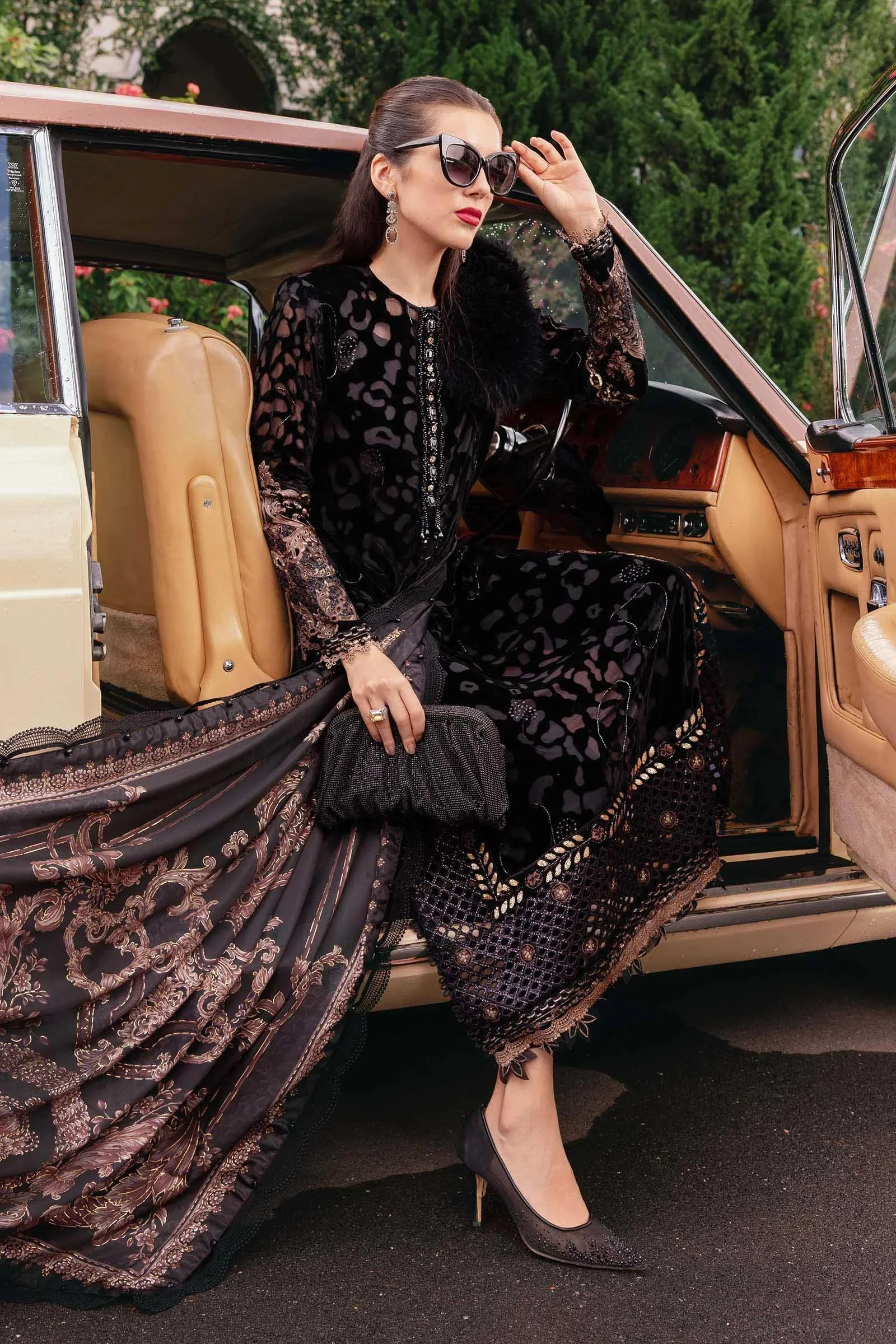
The approach that produces the best results is to identify the principle behind a look rather than copying the specifics.
Hailey Bieber’s clean girl aesthetic is built on the principle of restraint and excellent fit. Apply those principles to your own wardrobe and body, not to her specific ribbed tank from a brand you can’t afford.
Zendaya’s tailoring era is built on the principle of monochrome dressing and clothes that fit properly. Same principle, your clothes, your proportions.
Bella Hadid’s Y2K revival borrows from a specific era’s palette and proportions. Pull one or two elements from that era that feel genuine to you rather than the entire look.
When you’re shopping with a celebrity look in mind, save the reference images to your phone — a simple folder in your camera roll or a Pinterest board both work well — and use them to identify the specific elements that appealed to you. Then ask yourself why those elements appealed. Usually it comes down to a color, a silhouette, a proportion, or an attitude. Those are the things worth chasing, and they translate across any price point.
The Mistake That Kills Celebrity-Inspired Outfits
The most reliable way to undermine a celebrity-inspired outfit is to wear it without any personal ownership of it. Clothing communicates confidence or the lack of it regardless of how much it cost or how accurately it replicates the reference.
If you’re wearing something because you genuinely like it and it feels right on your body, that reads well. If you’re wearing it because you think you should, hoping it transforms you into a version of the person you saw wearing it, it almost never does.
Try things on. Sit in them, walk in them, look at yourself at multiple angles in actual light rather than the artificially flattering light of a changing room. Notice how you feel, not just how you look. Clothes you feel confident in consistently look better than clothes you feel uncertain about, regardless of objective quality.
The celebrities whose style gets copied the most aren’t people who wear perfect outfits. They’re people who appear completely at ease in whatever they’re wearing. That ease is the thing actually worth copying, and the good news is it costs absolutely nothing.