
Entertainment doesn’t really wait anymore. It spills out in fragments. A clip here, a reaction there, a screenshot someone posts without context. Within hours, something that started as a small release or a casual comment turns into a global talking point.
What used to belong to scheduled releases, like Friday movies or evening TV slots, now unfolds in real time. People are not just watching entertainment. They are reacting to it while it is still unfolding. That shift has changed what counts as a “moment” in the first place.
Some moments are planned. Others are accidental. A red carpet interview, a leaked teaser, a live performance mistake, or even a fan theory can end up carrying more cultural weight than the original project itself.
Why Entertainment Moments Spread So Fast Now
Entertainment used to move through controlled channels. Studios released films. Music labels promoted singles. Television networks decided timing. That structure still exists, but it no longer controls attention the way it once did.
Now, attention moves through people first, not institutions. A single viewer clips a scene. Someone else reposts it with commentary. Then it spreads across platforms before official marketing even catches up.
A few reasons this happens:
- Social platforms prioritize engagement over context
- Short clips outperform full-length content
- Audiences react instantly instead of waiting for reviews
- Fan accounts distribute content faster than official channels
- Algorithms amplify emotional or controversial moments
- Screenshots and reposts remove original framing
A film can release quietly and still dominate online discussion if one scene connects emotionally or visually. At the same time, heavily marketed projects sometimes disappear within days if they fail to generate online conversation.
Film Moments That Turn Into Internet Culture
Movies no longer live or die only by box office numbers. A single moment can define how a film is remembered online. Sometimes it’s a line of dialogue. Sometimes it’s a scene that gets remixed into memes for months.
Audiences now engage with films in fragments rather than as complete experiences. That changes what becomes memorable.
Some film-related moments that often take over online spaces:
- Surprise cameos that weren’t in trailers
- Ending scenes that spark debate
- Dialogue that turns into memes
- Casting choices that divide audiences
- Post-credit scenes that fuel theories
- Behind-the-scenes clips going viral
Streaming has made this even more unpredictable. People watch at different times, in different places, and often only share selected parts. That creates uneven conversations where one scene can overshadow the entire film.
Music Releases That Take Over Online Spaces
Music behaves differently from film, but the pattern is similar. A song is no longer just listened to. It is broken apart into pieces and reused across platforms.
A lyric becomes a caption. A beat becomes a trend. A music video becomes a visual reference people remix into their own content.
Some of the biggest drivers of music-driven entertainment moments include:
- Surprise album drops that appear without warning
- Lyrics that connect with personal experiences
- TikTok or reel-driven sound trends
- Collaborations between unexpected artists
- Live performances that feel unplanned or emotional
- Music videos designed for visual shock or storytelling
| Type of Music Moment | Why It Goes Viral |
| Viral lyric | Easy to relate to and reuse |
| Surprise release | Creates immediate attention spike |
| Collaboration | Brings multiple fan groups together |
| Live performance | Feels raw and unfiltered |
| Music video scene | Strong visual identity |
Music moments rarely stay inside music spaces anymore. They spill into fashion, memes, lifestyle content, and even political commentary depending on interpretation.
Celebrity Culture Sitting at the Center of Everything
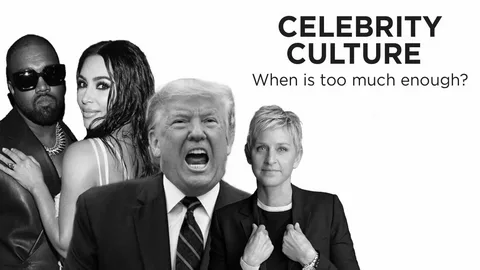
Celebrity moments often become the backbone of entertainment news because they sit across multiple industries at once. Film, music, sports, fashion, and social media all overlap here.
A single appearance can become a trending topic. A short interview clip can circulate for days. Even silence or absence can turn into speculation.
Common celebrity-driven entertainment moments include:
- Award show speeches and reactions
- Interview comments that get clipped
- Public appearances and fashion choices
- Social media posts or deletions
- Relationship updates or rumors
- Brand collaborations or business launches
What makes these moments powerful is not just fame. It’s interpretation. Different audiences assign different meanings to the same action.
Streaming Platforms Changing What Becomes Popular
Streaming has removed the old rhythm of entertainment. There are no shared schedules anymore. People don’t all watch at the same time, which changes how moments spread.
Instead of one big release moment, there are multiple smaller waves of attention.
Key changes brought by streaming:
- Content is released globally at once
- Audiences binge at different speeds
- Older shows suddenly trend again
- Algorithms control visibility more than promotion
- Niche content reaches global audiences
This creates a strange pattern where something can be “new” and “old” at the same time depending on who is watching it.
The Role of Fan Communities in Shaping Moments
Fan communities have become powerful drivers of entertainment attention. They don’t just react to content. They actively shape how it is understood.
A small detail in a trailer can turn into a long discussion thread. A minor background element can become a theory that spreads widely. Sometimes fan interpretations even influence mainstream coverage.
Fan communities often:
- Break down trailers and teasers frame by frame
- Create theories about storylines and characters
- Push content into trending topics
- Defend or criticize public figures
- Amplify underrated moments
- Organize streaming or voting campaigns
Their influence has made entertainment more interactive than ever before.
Why Some Entertainment Moments Stick While Others Fade
Not every moment that trends online actually stays in people’s memory. Some disappear within a day, replaced by the next wave of content. Others stay around for weeks, sometimes years, and become part of pop culture references.
The difference usually isn’t just quality. It’s how easily a moment can be reused, remixed, or emotionally attached to something personal. A short clip that triggers laughter, shock, or nostalgia tends to travel further than something purely informational.
Moments that last usually share a few traits:
- They are emotionally immediate
- They are easy to clip or screenshot
- They can be turned into memes or reactions
- They connect to broader cultural conversations
- They involve recognizable public figures or franchises
A quiet scene in a film might fade quickly, while a single unexpected line becomes something people repeat online for years. It is rarely planned. It just happens when the right detail lands at the right time.
The Business Behind Entertainment Attention
Entertainment moments feel spontaneous on the surface, but there is a structured system underneath them. Studios, music labels, streaming platforms, and even influencers all play a role in shaping what gets visibility.
Attention has become a currency. Not just views or likes, but sustained conversation over time. A moment that keeps people talking has more value than one that spikes briefly and disappears.
Modern entertainment marketing often includes:
- Teaser campaigns designed for short-form sharing
- Influencer previews before official releases
- Fragmented trailers released in stages
- Social media engagement pushes during launch week
- Behind-the-scenes content designed for reposting
- Strategic interviews timed around key releases
| Strategy | Purpose |
| Teaser clips | Build early curiosity |
| Influencer previews | Expand reach quickly |
| Staged trailers | Sustain attention over time |
| BTS content | Increase emotional connection |
| Interviews | Shape narrative around release |
The line between organic virality and planned promotion is thin now. A moment might look spontaneous, but often it is supported by carefully timed releases and audience targeting.
When Viral Moments Become Cultural Memory
Some entertainment moments don’t just trend. They stick. Years later, people still reference them, quote them, or recreate them in new contexts. These moments stop being tied to the original source and become part of shared digital culture.
Think of a film line that turns into a meme, or a performance clip that gets referenced long after the event. These moments survive because they are flexible. They can be used in new situations without losing meaning.
A few reasons moments become cultural memory:
- They are simple enough to repeat
- They carry emotional or humorous weight
- They can be adapted into different contexts
- They are shared across multiple platforms
- They become part of internet language
Once a moment reaches that stage, it no longer belongs to the original creator. It becomes collective material that people reshape continuously.
The Lifecycle of an Entertainment Moment
Most viral entertainment content follows a loose pattern, even if it feels unpredictable while it is happening. It usually moves through stages, from discovery to peak attention to eventual decline.
It doesn’t always follow a strict timeline, but the pattern is often recognizable.
Typical stages include:
- Discovery: A clip, release, or event appears
- Acceleration: Shares and reactions begin to grow
- Peak: The moment dominates feeds and trending pages
- Saturation: Reposts and commentary flood platforms
- Decline: Attention shifts to new content
- Residual presence: Memes or references remain
What keeps this cycle moving is speed. New content arrives constantly, so attention rarely stays in one place for long. Even major moments eventually make room for the next wave.
Why Audiences Stay Hooked on Entertainment News
Even with constant criticism about “too much celebrity content,” entertainment news continues to dominate online spaces. The reason is simple. It is easy to engage with and emotionally accessible.
People don’t need background knowledge to participate in the conversation. They can react instantly, form opinions quickly, and share those opinions just as fast.
Entertainment content also offers:
- A break from structured or serious news
- Shared cultural references across communities
- Emotional engagement without personal risk
- Constant updates that feel current
- Opportunities for discussion and debate
It sits in a space where everyone can participate, even casually. That makes it one of the most consistent forms of online engagement.
FAQs
1. What are entertainment moments?
Entertainment moments are events, clips, releases, or scenes that gain widespread attention across social media, streaming platforms, or traditional media.
2. Why do some entertainment moments go viral?
They often trigger strong emotional reactions, are easy to share, and get amplified by algorithms and fan communities.
3. Do streaming platforms change entertainment trends?
Yes. Streaming removes fixed schedules, allowing content to trend at different times and in unexpected ways.
4. What role do fan communities play?
Fan communities help spread content, create theories, amplify discussions, and sometimes influence mainstream coverage.
5. Why do entertainment moments fade quickly sometimes?
Because new content constantly replaces older trends, and only the most emotionally or culturally relevant moments stay in circulation longer.
Conclusion:
Entertainment moments move fast, but they leave traces that shape how people talk, react, and connect online. Some disappear in hours, others settle into pop culture memory, but all of them reflect how audiences now experience media in fragments rather than fixed schedules.
Call to Action
Next time something starts trending, it helps to look beyond the surface reaction. Pay attention to how it spreads, who is sharing it, and why it is catching attention in the first place. The most interesting part of entertainment today is not just the content itself, but the way people turn it into a shared experience.