

So last Friday I had one of those rare free weekends where I had absolutely nothing planned. No errands, no plans, just me, my couch, and a streaming remote in my hand. I opened Netflix, scrolled for about 25 minutes, hovered over the same three shows I had already seen, and then closed the app out of frustration.

Sound familiar?
Here is the thing nobody talks about: streaming platforms are actually terrible at helping you discover genuinely good stuff. The algorithm keeps showing you whatever is trending, whatever got a massive marketing budget, and whatever everyone else is watching. The real gems? They are buried somewhere on page 47 of a genre category you never think to click.
I have spent a lot of time hunting for shows that fly under the radar. Not just “kind of underrated” shows, but the ones that make you wonder why nobody is talking about them at work on Monday. The kind of TV that sticks with you for weeks after the finale.
This list is built entirely from personal watching experience, conversations with people who take their TV seriously, and a lot of late nights I probably should have spent sleeping.
Why Most People Miss These Shows
Before we get into the list, it is worth understanding why hidden gems stay hidden in the first place.
Streaming platforms promote what generates the most immediate clicks. A show with a giant celebrity cast and a big trailer will always get more homepage real estate than a quiet, brilliant drama from a smaller network. Word of mouth takes time, and by the time a show builds a real audience, it has often already been cancelled.
There is also a “safe bet” habit most of us fall into. You come home tired, you want something familiar, so you rewatch something comfortable instead of risking 45 minutes on a show you have never heard of.
That hesitation costs you a lot of great television.
Let me walk you through what I have personally watched, what surprised me, and why I think you should clear your Saturday night for at least one of these.
Severance (Apple TV Plus)
I am starting here because this one genuinely messed me up in the best possible way.

The premise sounds like something you would pitch as a joke: employees at a mysterious company agree to a surgical procedure that splits their memory between their work life and personal life. When you are at work, you have zero memory of your home life. When you leave, you remember nothing from the office.
What sounds like a quirky sci-fi concept turns into one of the most intense psychological thrillers I have ever watched. The pacing is slow in the beginning, and I almost dropped it after episode two. That was a mistake I almost made. By episode four, I was canceling plans to keep watching.
The show says something real about corporate culture, about identity, about how much of ourselves we compartmentalize just to survive a workday. It never feels preachy about it either. It just builds this unsettling atmosphere that you cannot shake.
The cast is brilliant. Adam Scott plays the lead with this quietly desperate energy that feels completely real. Patricia Arquette shows up and reminds you exactly why she has the career she has.
If you have Apple TV Plus and you have not watched this yet, stop reading and start the pilot tonight.
Hacks (HBO Max)
Hacks is a show I kept hearing described as “a comedy about a Vegas comedian,” and I kept thinking, that sounds fine but not urgent. I was wrong to wait.

Jean Smart plays Deborah Vance, a legendary stand-up comedian in her 60s whose career is slowly slipping. She gets paired with a young, struggling comedy writer played by Hannah Einbinder, and the two of them immediately clash in every possible way.
What makes this show special is that it refuses to make either character the villain. You understand both of them completely. You root for both of them even when they are doing something genuinely selfish or frustrating. That kind of writing is incredibly rare.
Jean Smart won every award she was eligible for and she deserved every single one. There is a specific episode in season one, around episode six, where she does a live set that made me put down my phone and just watch with my full attention. It is one of the best pieces of television acting I have seen in years.
The show is also quietly funny rather than joke-a-minute funny, which means it trusts its audience. That alone makes it worth your time.
The Bear (Hulu)
Okay, this one has gotten a little more attention recently, so you may have caught the name floating around. But I still talk to people who have not seen it, and I genuinely do not understand why.

The Bear follows a fine dining chef who comes back home to run his family’s sandwich shop in Chicago after a personal tragedy. It sounds like a cooking show. It is not a cooking show.
It is a show about grief, about pressure, about what it means to carry a family legacy. The kitchen sequences are filmed with this intense, almost documentary energy. There is an episode in season one that takes place almost entirely in real time during a lunch rush, and I watched it with my hands clenched because the stress was genuinely that physical.
The show is available on Hulu and runs about 30 minutes per episode, which makes it easy to justify “just one more.” That said, be ready for it to hit harder than you expect emotionally. Have snacks ready. You will also be hungry the entire time, because the food looks incredible.
Dark (Netflix)
If you have a high tolerance for complexity and you are willing to commit to reading subtitles, Dark is one of the most rewarding shows ever made.

This is a German science fiction series about time travel and a small town with a lot of terrible secrets. That description does not come close to capturing what actually happens. By season two, the timeline is so layered that fans built actual family trees and flowcharts online just to keep track of everything.
Here is my honest warning: the first two episodes are slow and deliberately confusing. The show is building something intricate and it takes a little time to find its footing. But if you get to episode four, you are in for the long haul and you will not regret it.
Dark is the kind of show that makes you feel genuinely clever for following it, and then immediately humbles you by adding another layer you did not see coming. Three seasons, complete story, satisfying ending. It is a full meal.
Fleabag (Amazon Prime)
This one occasionally shows up on “underrated shows” lists, but it still does not get watched nearly enough. People see “BBC comedy” and assume it is light or quaint. It is neither of those things.
Phoebe Waller-Bridge created and stars in this show about a young woman in London dealing with grief, bad relationships, and her own genuinely destructive tendencies. She talks directly to the camera throughout, which could feel gimmicky but instead becomes the entire emotional engine of the show.
There are only 12 episodes across two seasons. You can watch the whole thing in a weekend and you probably will. I watched both seasons in a single Saturday and then sat quietly for about twenty minutes afterward, just thinking.
The writing is the kind where you will be laughing at something and then realize mid-laugh that it is actually devastating. That tonal balance is almost impossible to pull off and Waller-Bridge does it effortlessly.
Mindhunter (Netflix)
Mindhunter is a David Fincher show about two FBI agents in the 1970s who start interviewing incarcerated serial killers to understand how their minds work. It is the foundation of modern criminal profiling.
The show is slow in the way that Fincher films are slow: deliberately, with purpose, never wasting a single frame. It is not a thriller in the way you might expect. There are no chase sequences or dramatic confrontations. The tension is entirely psychological, and it builds across episodes in a way that very few shows manage.
Jonathan Groff plays one of the leads and gives a performance that feels completely internal. You watch him slowly become someone different over the course of two seasons without ever seeing a dramatic breakdown or a turning point speech. It just happens gradually, and the show trusts you to notice.
Fincher stepped back from the show after season two and Netflix has technically not renewed it, but both existing seasons are still available and completely worth watching. The real-life serial killer interviews are based on actual case files and research, which makes the whole thing land even harder.
The Detectorists (BritBox or Amazon)
This one is probably the least well-known on the list and it is my most enthusiastic recommendation.
The Detectorists is a quiet British comedy about two men who spend their weekends using metal detectors in the English countryside. That is genuinely the whole premise.
And it is one of the most beautiful, warm, funny, and deeply human shows I have ever seen.
The comedy is never loud. Nobody falls down. There are no pratfalls or misunderstandings-that-could-be-resolved-with-one-conversation. It is just two people you grow to love deeply, doing something they love, in a world that mostly does not understand why.
The show was written and directed by Mackenzie Crook, who also stars in it, and the care he put into every episode is visible in every single frame. The English countryside photography is genuinely stunning. The relationship between the two main characters feels completely real.
This is the show I recommend to people when they say they want something that will not stress them out. It does not stress you out. It does something better.
Common Mistakes When Looking for Hidden Gems
After years of hunting for good shows, here are a few habits I had to unlearn:
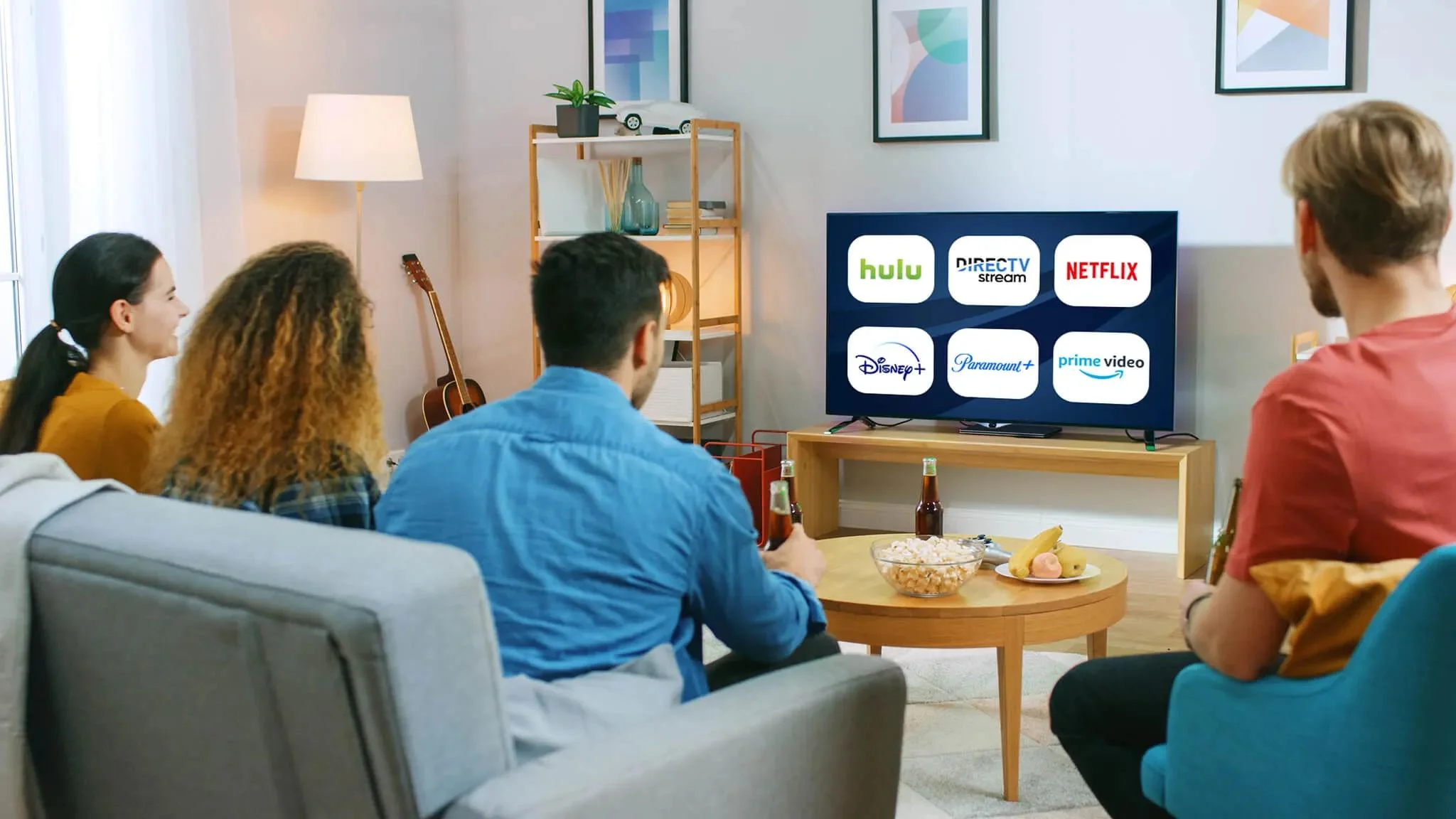
Trusting the algorithm too much. Streaming platforms optimize for engagement, not quality. If you always click what they recommend, you will always watch the same kind of thing. Start with specific genre searches or use sites like Letterboxd’s TV lists or IMDB user ratings to find things the algorithm will never surface for you.
Giving up after one episode. Some of the best shows on this list are slow starters. If a show has critical acclaim and you are not feeling it at episode one, give it two more. The setup matters and some writers earn their slow burns.
Ignoring subtitles automatically. Dark and other foreign-language shows get skipped by a lot of people purely because of the subtitles. Once you get into the rhythm of reading while watching, it stops being noticeable. Do not let language lock you out of incredible stories.
Waiting for something to be “finished” before you start it. This applies especially to ongoing shows. The conversation about a show while it is airing is part of the experience, and some of the best moments of any series come from watching episode by episode.
How to Actually Find More Shows Like These
A few practical places to start:
IMDB’s “hidden gem” filters under their advanced search let you sort by highly rated shows with low vote counts, which is basically a blueprint for undiscovered quality.
Reddit communities like r/television and r/HiddenGems have real people recommending real shows with specific reasons. The discussions are usually much more useful than any algorithm.
Letterboxd has a TV section now where film lovers rate series with the same serious attention they give movies. The taste level tends to be higher than general streaming recommendations.
Just asking people. Seriously. When someone whose taste you respect mentions a show in passing, follow up on it. That conversation is how I found most of the shows on this list.
One Final Thought
The shows worth watching are rarely the ones with the biggest billboards. They are the ones that get passed around quietly, show by show, person by person, until you finally sit down with one and wonder where it has been your whole life.
This weekend, skip the scroll. Pick one show from this list, make something good to eat, and actually commit to the first three episodes. You will probably stay up later than you planned. That is kind of the point.
The couch and the remote are waiting. The algorithm will not help you. But this list will.
The Ultimate Travel Bucket List for Adventure Seekers
A few years back, I was at a point where every trip I planned felt the same. Book a flight, stay in a decent hotel, see a few famous spots, fly home. Fine experiences, but nothing that actually stayed with me.
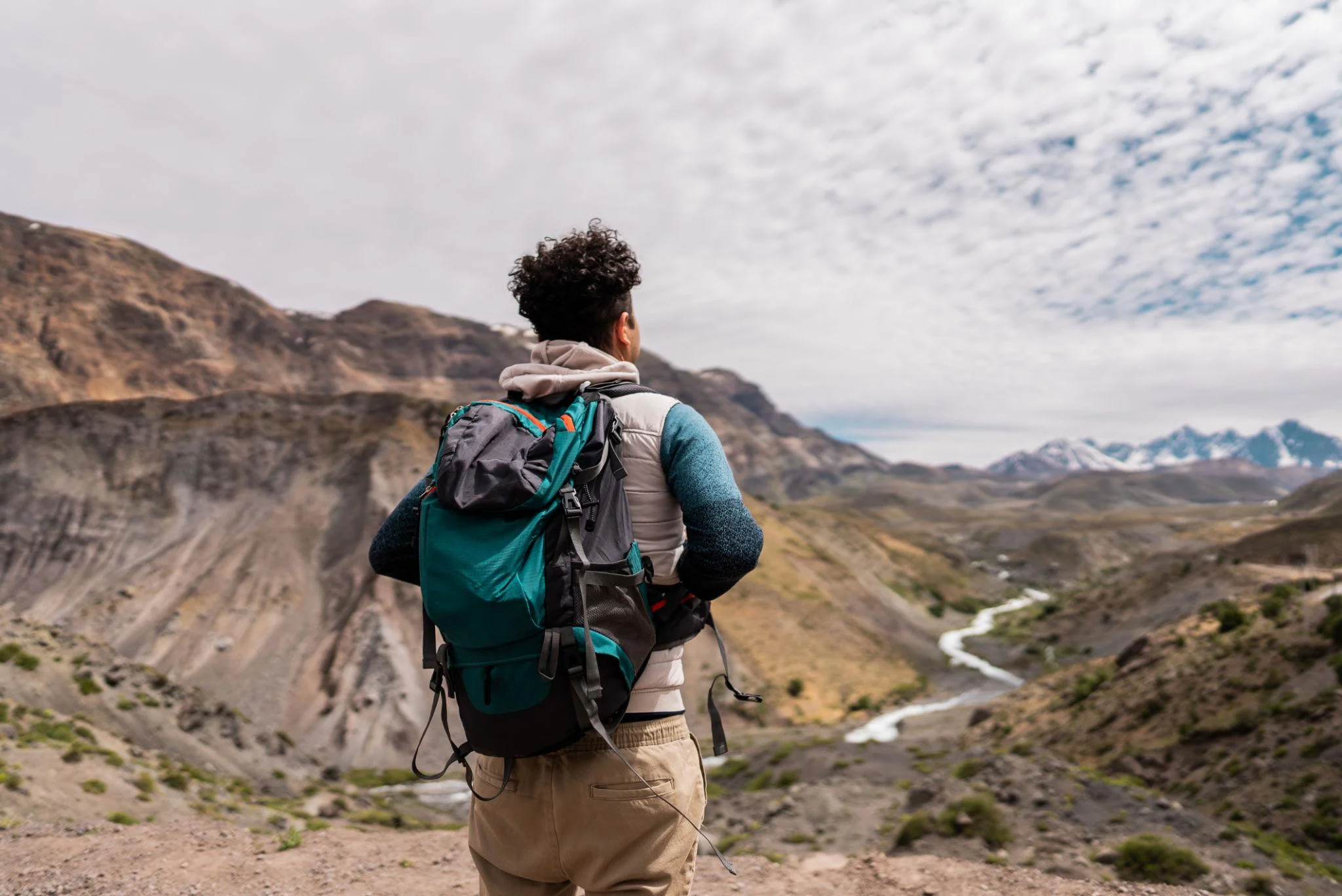
Then a friend came back from three weeks in Nepal and sat across from me at dinner looking like a different person. Not dramatically different. Just quieter, more settled. Like something had clicked into place for him.
That was the push I needed. Stop treating travel like a checklist and start treating it like something that could actually change you.
This list comes from real trips, conversations with serious travelers, and honest research into what each place actually demands. Nothing here is easy. That is entirely the point.
Trekking to Everest Base Camp in Nepal
This is not climbing Everest. That confusion stops a lot of people before they even look into it.
Trekking to Base Camp means walking through the Khumbu region over roughly 12 to 14 days, reaching the staging point at 5,364 meters where summit climbers prepare, and walking back down. No technical climbing. No ropes or crampons on the main trail.
What it does require is genuine cardiovascular fitness and serious respect for altitude. A friend of mine skipped an acclimatization day because he felt fine and wanted to push ahead. He spent the next 48 hours in Namche Bazaar completely floored. The mountain does not care how fit you are at sea level.
The trail itself is something else. Buddhist monasteries perched on ridgelines, Sherpa villages that have existed for centuries, mountains so large they stop making sense to the eye. You reach Base Camp and there is this strange mix of exhaustion and disbelief that you are actually standing there.
Fly into Lukla from Kathmandu to start the trek. First-timers should hire a local guide rather than going fully independent. The Himalayan Rescue Association website has solid, no-nonsense altitude sickness guidance worth reading before you book anything.
White Water Rafting the Zambezi River
Below Victoria Falls, the Zambezi carves through a dramatic gorge and produces some of the most intense commercially run white water on the planet. Level four and five rapids with names like “The Terminator” and “Oblivion” tell you most of what you need to know.

What makes this more than just an adrenaline tick-box is the setting. Between rapids, the river slows and you are floating through sheer canyon walls with nothing but the sound of water. Then the next rapid appears around a bend and calm is replaced by chaos again.
Full day trips run from Livingstone, Zambia or Victoria Falls, Zimbabwe. You will be in the water multiple times, that is a guarantee. Eat well beforehand and check operator reviews on Lonely Planet forums before booking.
Cycling the Pamir Highway in Central Asia
The Pamir Highway through Tajikistan sits at elevations regularly above 4,000 meters, runs largely unpaved through some of the most remote terrain on earth, and attracts a particular kind of cyclist who genuinely does not mind going several days without reliable food, water, or phone signal.
This is a multi-week commitment. You need a solid touring bicycle, basic mechanical repair skills, and the mental stamina to keep pedaling through days that offer very little comfort and extraordinary amounts of scenery.
The Wakhan Corridor section runs along the Afghan border through a valley that looks unchanged from centuries ago. Yurts, nomadic families, herds of yaks. Three vehicles in a full day of riding. The Caravanistan website is the best resource for route planning and honest conditions reporting.
Diving the Great Blue Hole in Belize
Seen from the air, the Great Blue Hole is almost implausibly beautiful. A perfect dark circle, roughly 300 meters across and 125 meters deep, sitting in the middle of the shallow turquoise water of the Belize Barrier Reef.
At depth, the water becomes extremely clear and ancient stalactites hang from formations that were once dry cave ceilings during the last ice age. Nurse sharks and reef sharks move through the lower sections without much interest in the divers watching them.
Advanced open water certification is required at minimum. Most operators want to see proof of logged deep dives before they take you down. Do not stretch the truth about your experience here. The Blue Hole is genuinely deep and the conditions at the bottom are specific. Book through a PADI-certified center operating out of San Pedro and bring your certification card.
Hiking the Overland Track in Tasmania
Tasmania is the kind of place that serious hikers discover and then spend years recommending to everyone they meet. The Overland Track is the reason most of them go.

Sixty-five kilometers through the central Tasmanian wilderness over six to eight days. Alpine moorland, ancient rainforest, glacial lakes, endemic wildlife showing up on the trail with no particular concern for your presence. Wombats, wallabies, the occasional platypus in a lake at dusk.
Huts are spaced along the route and can be booked through the Parks and Wildlife Service Tasmania website. They book out fast for summer months. Sort your permit before you sort anything else.
Tasmanian weather moves quickly and without warning. People doing this walk in January have reported hail, sunshine, thick fog, and driving rain all within the same afternoon. Your waterproof gear needs to be actually waterproof. Not water resistant. Not “pretty good in light rain.” Genuinely waterproof.
Skydiving Over the Namib Desert in Namibia
Swakopmund sits at the edge of the Namib Desert where it meets the Atlantic Ocean, and the skydive operation there offers a combination of landscapes you will not find anywhere else. Orange desert dunes stretching to one horizon, cold grey ocean to the other, and you falling between them.
Tandem jumps require no prior experience. The instructor manages everything technical. What it requires from you is the willingness to step out of a perfectly functional aircraft, which turns out to be a more interesting mental exercise than most people expect until they are actually standing at the door.
Freefall lasts roughly 30 to 40 seconds before the parachute opens and you spend several minutes floating over one of the oldest deserts on earth. Skip the large meal beforehand. Seriously. It is advice everyone gets and fewer people follow than should.
Kayaking with Orcas in British Columbia
The Broughton Archipelago off northeastern Vancouver Island is one of the most reliable places in the world to paddle among wild orca pods. Resident orca families move through the area during summer months and encounters in a sea kayak are completely on their terms.
This is multi-day paddling through islands and inlets, camping on beaches, cooking your own food, reading tides. The stillness of being in a kayak when an orca surfaces twenty meters away is something that does not translate well into language. It is one of those experiences that just has to happen to you.
If you are not an experienced sea kayaker, go with a guided outfit rather than renting independently. Spirit of the West Adventures has been running trips through this area for years and their guides carry deep local knowledge about conditions, wildlife behavior, and approach guidelines.
Mistakes That Will Hurt Your Trip
Wrong gear for the actual conditions. Not the conditions you hope for. The conditions that can happen. Cheap waterproofs fail at the worst moments. Unbroken boots create blisters that end treks early. Research specifically what weather is possible at your destination and prepare for the bad version of it.

Rushing acclimatization. This applies at altitude anywhere, Nepal, the Andes, the Pamir. Your body needs time regardless of your fitness level. Build rest days into your itinerary before you leave home, not as reluctant afterthoughts.
No offline navigation. Signal disappears on every route on this list. Apps like Gaia GPS and Maps.me let you download detailed offline maps before you go. It takes ten minutes. Do it before every trip.
Skipping travel insurance. Medical evacuation from a remote location is very expensive. World Nomads and SafetyWing are the two most commonly used providers among adventure travelers because their policies actually cover activities like trekking, rafting, and diving. Read the policy carefully to confirm your specific activity is covered before purchasing.
How to Go From Planning to Actually Going
Pick one destination. Not five. A list of ten dream trips produces the same result every time, which is another year of not going anywhere. Choose one, research it specifically, and commit to a timeframe.
Find people who have done exactly what you want to do. Reddit communities like r/solotravel, r/ultralight, r/whitewater, and r/bikepacking have detailed firsthand accounts of these exact routes. Ask specific questions and you will get specific answers.
Book the one thing that forces everything else to move. Usually a flight or a permit. Once money is on the table and a date is real, the rest of the planning follows naturally.
Start training earlier than feels necessary. Whatever the physical demand of your trip, begin at least three months out. Walking with a loaded pack on weekends before a high altitude trek is not exciting preparation. It is why some people finish feeling strong while others are counting down to the end.
What Nobody Mentions Until After
The moments that stay with you from adventure travel are rarely the dramatic ones.
It is the tea house in Nepal where you sat with strangers from four different countries and talked for hours over dinner. The family in a Tajik village who invited you in for bread without sharing a single word of common language. The morning on the Overland Track when the fog cleared and you were alone on a ridge with a view that stretched for a hundred kilometers.
The adrenaline is real and it is fun. But the thing gives you is presence. Getting far enough outside your routine that you are fully in the place you are standing.
The bucket list is just the starting point. The decision to actually go is the whole thing.
Pick one destination from this list. Figure out what it takes to get there. Then go.