

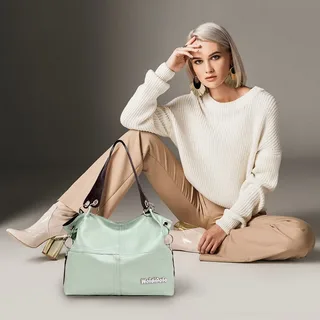
Fashion has always reflected the way people live, think, and express themselves. While trends once revolved around seasonal colors or celebrity influence, today’s conversations are becoming more thoughtful. Shoppers are asking where their clothes come from, who made them, how long they’ll last, and what happens when they’re no longer worn. Style is no longer judged only by appearance. Increasingly, it’s also shaped by values, responsibility, and long-term thinking.
That shift has pushed sustainable fashion from a niche movement into the mainstream. Designers are experimenting with cleaner materials, brands are becoming more transparent about production, and consumers are learning that buying less often can sometimes lead to dressing better. Sustainable fashion is no longer about sacrificing style for ethics. Instead, it proves that beautiful clothing and responsible choices can exist in the same wardrobe.
Why Sustainable Fashion Has Become More Than a Trend
For years, sustainability was treated as an alternative lifestyle. Eco-friendly collections occupied small corners of department stores, and ethical brands often appealed to a limited audience willing to pay premium prices. Today, that landscape looks very different.
Consumers have access to more information than ever before. A quick search reveals where clothing is manufactured, what materials are used, and how companies treat workers throughout their supply chains. Social media has also changed the conversation. Instead of simply showcasing outfits, creators now discuss garment quality, fabric composition, wardrobe longevity, and responsible shopping habits.
As awareness has grown, fashion brands have had to respond. Many established labels have introduced recycled collections, transparent sourcing reports, and repair or resale programs. Independent designers have built entire businesses around slow production and locally sourced materials. Sustainability is no longer a marketing slogan. For many companies, it has become part of long-term business strategy.
This change benefits shoppers as well. Rather than choosing between style and responsibility, they now have access to clothing that offers both.
Some of the biggest factors driving this movement include:
- Greater awareness of fashion’s environmental impact.
- Increased demand for ethical manufacturing practices.
- Better access to sustainable brands through online shopping.
- Growing appreciation for quality over quantity.
- Rising popularity of capsule wardrobes and timeless style.
Understanding What Sustainable Fashion Really Means
Many people assume sustainable fashion simply means buying clothing made from organic cotton. While fabric choice is certainly important, sustainability reaches much further than a single material.
A sustainable garment considers its entire journey. That includes how raw materials are sourced, how much water and energy are used during production, the working conditions inside factories, transportation methods, durability, and what happens when the garment reaches the end of its life.
This broader perspective explains why sustainability looks different from brand to brand. One company may focus on recycled fabrics, while another prioritizes fair wages or local manufacturing. Neither approach is necessarily wrong because sustainability involves balancing environmental, social, and economic responsibility.
A truly sustainable wardrobe isn’t built by buying everything labeled “eco-friendly.” It’s built by making thoughtful purchasing decisions over time.
Some characteristics commonly found in sustainable clothing include:
- Durable construction that extends garment life.
- High-quality fabrics designed for repeated wear.
- Responsible manufacturing practices.
- Transparent sourcing information.
- Reduced waste throughout production.
The Rise of Slow Fashion Over Fast Fashion
Fast fashion changed the industry by making new trends available almost instantly. Collections arrive every few weeks, prices remain low, and shoppers are constantly encouraged to buy something new.
The downside is rarely visible on the sales floor.
Many inexpensive garments are designed for short-term wear. Lower-quality fabrics, rushed manufacturing, and trend-driven designs often mean clothing loses its appeal or durability after only a few uses. That cycle encourages continuous purchasing, creating unnecessary waste and increasing environmental pressure.
Slow fashion offers a different philosophy.
Instead of chasing every seasonal trend, it encourages consumers to invest in fewer pieces that serve multiple purposes. Quality replaces quantity. Longevity becomes more valuable than novelty.
People who embrace slow fashion often discover that their wardrobes become easier to manage. Rather than overflowing closets filled with unworn items, they own versatile clothing that works together across different occasions.
Fast Fashion vs Slow Fashion
| Fast Fashion | Slow Fashion |
| Frequent trend cycles | Timeless designs |
| Lower upfront prices | Higher long-term value |
| Short garment lifespan | Durable construction |
| High production volume | Thoughtful manufacturing |
| Impulse purchases | Intentional shopping |
The goal isn’t perfection. Most people won’t replace their entire wardrobe overnight. Instead, slow fashion encourages gradual improvement through smarter buying habits.
Fabrics That Are Shaping Sustainable Fashion
The conversation around sustainable clothing often begins with fabric, and for good reason. Materials influence comfort, durability, environmental impact, and garment lifespan.
Natural fibers continue to play an important role because many require fewer synthetic chemicals and can biodegrade more easily than petroleum-based alternatives. Organic cotton remains popular because it’s grown using farming practices that reduce harmful pesticides. Linen has earned a reputation for durability while requiring significantly less water than many conventional crops.
Innovation has also introduced exciting alternatives. Recycled polyester gives discarded plastic another life, while regenerated fibers transform existing textile waste into premium fabrics suitable for everyday clothing.
Another area receiving growing attention is plant-based leather alternatives. Materials made from pineapple leaves, cactus, mushrooms, and apple waste demonstrate that fashion innovation doesn’t always rely on synthetic materials.
Popular sustainable fabrics include:
- Organic cotton
- Linen
- Hemp
- TENCEL™ Lyocell
- Recycled polyester
- Organic wool
- Bamboo produced through responsible processing
- Plant-based leather alternatives
Choosing better fabrics doesn’t guarantee sustainability on its own, but it provides an excellent starting point for building a more responsible wardrobe.
Why Quality Is Becoming More Valuable Than Quantity
Many shoppers have experienced buying inexpensive clothing that looked appealing online but disappointed after only a few washes. Loose stitching, fading colors, shrinking fabrics, and misshapen silhouettes often shorten a garment’s lifespan.
This experience has encouraged many consumers to rethink how they define value.
A well-made blazer worn for five years often provides better value than several cheaper alternatives that require frequent replacement. The same principle applies to denim, knitwear, coats, handbags, and shoes.
High-quality clothing often includes stronger stitching, better fabric density, reinforced seams, and timeless designs that remain stylish beyond seasonal trends.
Instead of asking, “How much does this cost?” experienced shoppers increasingly ask, “How many times will I realistically wear this?”
That simple question can dramatically change purchasing decisions.
Some indicators of well-made clothing include:
- Even stitching throughout the garment.
- Durable fabric with good weight and texture.
- Pattern alignment across seams.
- Reinforced stress points.
- Quality zippers, buttons, and finishing details.
These small details may seem insignificant during shopping, but they become noticeable after months or years of regular wear.
Building a Sustainable Wardrobe Without Starting Over
One of the biggest misconceptions about sustainable fashion is that adopting it requires replacing everything you already own. That idea not only feels overwhelming but also goes against the very principles of sustainability. Throwing away perfectly wearable clothing simply to buy “eco-friendly” alternatives creates unnecessary waste and defeats the purpose of making more responsible choices.
A sustainable wardrobe is built gradually. It begins by appreciating what you already own and making thoughtful decisions about future purchases. Instead of chasing every new collection, many people are learning to maximize the versatility of their existing clothing. A classic white shirt can be styled for work, weekends, and evening dinners. A well-fitted pair of jeans can be dressed up with a blazer or worn casually with sneakers. The goal isn’t to own more clothing but to make better use of the pieces already hanging in your closet.
Another effective approach is identifying gaps rather than shopping impulsively. Many purchases happen because something catches our attention online or because a sale creates urgency. Taking a moment to ask whether an item genuinely complements your wardrobe often prevents unnecessary spending and helps maintain a more intentional collection of clothing.
Building a sustainable wardrobe often starts with small habits like:
- Repairing minor damage instead of replacing garments immediately.
- Styling existing pieces in new combinations before buying something new.
- Purchasing versatile clothing that works across multiple occasions.
- Choosing timeless designs over short-lived fashion trends.
- Investing in quality basics that serve as the foundation of many outfits.
These gradual changes feel manageable, and over time they naturally reshape shopping habits without requiring a dramatic lifestyle change.
How Ethical Fashion Brands Are Raising Industry Standards
Consumers today expect more from fashion brands than attractive clothing. They want transparency, accountability, and evidence that companies take responsibility for the people who make their products. As a result, many ethical fashion brands are shifting the conversation away from marketing slogans and toward measurable actions.
Transparency has become one of the strongest indicators of an ethical company. Instead of hiding manufacturing details, responsible brands openly discuss where garments are produced, how workers are treated, and what materials are used throughout the production process. Some even publish annual sustainability reports that outline both achievements and areas where improvements are still needed.
This openness helps build trust because shoppers can make decisions based on information rather than assumptions. While no company is perfect, brands that acknowledge challenges and demonstrate continuous improvement often earn greater consumer confidence than those making unrealistic claims.
Ethical brands are also focusing on long-term relationships with suppliers rather than constantly searching for the lowest production costs. Stable partnerships often lead to better quality control, fairer wages, and improved working conditions throughout the supply chain.
When evaluating a fashion brand, it helps to look for signs such as:
- Clear information about manufacturing locations.
- Responsible sourcing of fabrics and raw materials.
- Fair labor practices supported by certifications or public reporting.
- Repair, resale, or recycling programs that extend product life.
- Honest communication rather than vague sustainability claims.
These factors provide a more complete picture than marketing language alone.
The Growing Influence of Circular Fashion
For decades, the fashion industry followed a simple pattern: manufacture clothing, sell it, wear it, and eventually throw it away. Circular fashion challenges that cycle by keeping garments in use for as long as possible before recycling or repurposing their materials.
This approach is changing how many people think about ownership. Clothing is increasingly viewed as something that can move through different stages rather than ending its life in a landfill after one owner.
Secondhand marketplaces, clothing rental services, repair workshops, and resale platforms have become increasingly popular because they extend the lifespan of garments that still have plenty of value. Vintage clothing has also experienced renewed appreciation, not only because it offers unique style but because it encourages reuse instead of constant new production.
Many fashion brands are responding by launching trade-in programs where customers return worn garments in exchange for store credit. Those items may be repaired, resold, recycled, or transformed into new textiles.
Circular fashion creates benefits for everyone involved. Consumers spend less, brands reduce waste, and fewer natural resources are required to produce replacement clothing.
Common examples of circular fashion include:
- Buying secondhand clothing from trusted resale platforms.
- Selling garments that are no longer worn.
- Renting occasion wear instead of purchasing items for one-time use.
- Repairing damaged clothing before replacing it.
- Recycling textiles through dedicated collection programs.
These practices show that sustainability isn’t always about buying new products. Sometimes it’s about extending the life of the ones already available.
Is Sustainable Fashion Really More Expensive?
One of the most common criticisms of sustainable fashion is its price. At first glance, many ethical brands appear significantly more expensive than fast-fashion retailers. Looking only at the price tag makes this criticism understandable.
The conversation changes when clothing is evaluated over time instead of at the checkout counter.
Imagine purchasing a low-cost sweater that loses its shape after several washes. Replacing it repeatedly throughout the year may ultimately cost more than buying a higher-quality sweater that lasts for several seasons. While the upfront investment is larger, the cost per wear becomes much lower.
Quality also influences confidence. Clothing that maintains its fit, color, and structure often remains enjoyable to wear much longer than garments that quickly show signs of wear.
That doesn’t mean sustainable fashion always requires luxury prices. Many people build responsible wardrobes by mixing approaches. They purchase quality essentials, shop secondhand, wait for seasonal sales, and gradually replace worn-out items instead of shopping impulsively.
A balanced approach often includes:
| Strategy | Long-Term Benefit |
| Buying fewer items | Reduces unnecessary spending |
| Shopping secondhand | Saves money while reducing waste |
| Choosing quality basics | Extends wardrobe lifespan |
| Repairing garments | Delays replacement costs |
| Shopping intentionally | Prevents impulse purchases |
Thinking in terms of cost per wear rather than purchase price often leads to smarter financial decisions as well as more sustainable ones.
Common Mistakes People Make When Shopping Sustainably
As interest in sustainable fashion grows, so does confusion. Many shoppers genuinely want to make better choices but unintentionally fall into habits that limit the impact of their efforts.
One common mistake is believing every item labeled “eco-friendly” is automatically sustainable. Marketing language can sometimes create a misleading impression without providing meaningful information about manufacturing practices or material sourcing. Looking beyond the label is always worthwhile.
Another mistake is replacing an entire wardrobe at once. While enthusiasm is understandable, discarding wearable clothing simply to buy sustainable alternatives creates unnecessary waste. Responsible fashion begins with making better future decisions, not erasing past purchases.
Some shoppers also become so focused on sustainability that they stop considering practicality. Buying clothing that doesn’t suit personal style or daily life often results in garments sitting unworn, regardless of how ethically they were produced.
Avoid these common mistakes:
- Trusting marketing claims without researching the brand.
- Replacing functional clothing unnecessarily.
- Buying sustainable items you won’t actually wear.
- Ignoring garment quality while focusing only on materials.
- Shopping emotionally instead of intentionally.
Awareness is valuable, but balance remains essential.
The Future of Sustainable Fashion Looks More Practical Than Ever
Fashion continues to evolve, but the direction of sustainable clothing feels increasingly practical rather than idealistic. Technology is improving fabric innovation, manufacturers are becoming more transparent, and consumers are developing stronger expectations around quality and responsibility.
Artificial intelligence is helping brands forecast demand more accurately, reducing unnecessary production. New textile recycling technologies are making it possible to recover fibers from worn garments more efficiently. Researchers continue exploring biodegradable materials that perform well without placing additional pressure on natural resources.
Perhaps the biggest change isn’t technological at all. It’s cultural.
People are becoming more comfortable repeating outfits, investing in timeless pieces, shopping secondhand, and asking questions before making purchases. These shifts may seem small individually, but together they represent a meaningful change in how fashion is consumed.
Rather than constantly chasing what’s new, many consumers are discovering that personal style becomes stronger when built thoughtfully over time.
Frequently Asked Questions
1. What is sustainable fashion in simple terms?
Sustainable fashion focuses on creating, purchasing, and wearing clothing in ways that reduce environmental impact, support ethical manufacturing, and encourage longer garment lifespans.
2. Is sustainable clothing always expensive?
Not necessarily. Shopping secondhand, buying fewer high-quality items, and choosing versatile pieces can make sustainable fashion affordable over time.
3. How can I start building a sustainable wardrobe?
Begin by wearing what you already own, repairing damaged clothing, shopping intentionally, and gradually replacing worn-out garments with higher-quality alternatives.
4. Are natural fabrics always more sustainable than synthetic fabrics?
Natural fabrics often have environmental advantages, but sustainability also depends on farming methods, manufacturing processes, durability, and how long the garment is used.
5. Why is slow fashion becoming more popular?
Many people appreciate slow fashion because it prioritizes quality, durability, ethical production, and thoughtful purchasing over constant trend cycles.
Conclusion:
Sustainable fashion isn’t about achieving a perfect wardrobe or following strict rules. It’s about making better decisions one purchase at a time. Every thoughtfully chosen garment, every repaired jacket, and every secondhand find contributes to a fashion industry that values quality, craftsmanship, and responsibility over constant consumption. Personal style doesn’t become less expressive when sustainability enters the picture. If anything, it becomes more intentional, more authentic, and far more rewarding in the long run.
Call to Action
Fashion has always been a form of self-expression, and the choices you make today can shape more than just your wardrobe. The next time you’re considering a new purchase, take a moment to think beyond the price tag and the latest trend. Look for quality, versatility, and craftsmanship that will continue serving you for years to come. Small, thoughtful decisions may seem insignificant on their own, but together they create a wardrobe that’s stylish, practical, and built with purpose.





20 Comments
You really make it seem so easy along with your presentation but I
find this matter to be actually something which I feel I would by no means understand.
It seems too complicated and extremely broad for me.
I am looking ahead to your next publish, I will attempt to get
the hold of it!
We are a bunch of volunteers and opening a brand new scheme in our community.
Your web site offered us with valuable information to work on.
You’ve performed an impressive task and our entire neighborhood might be grateful to you.
Today, I went to the beach with my kids. I found a sea shell and gave it to my 4
year old daughter and said “You can hear the ocean if you put this to your ear.” She put the shell to her ear and screamed.
There was a hermit crab inside and it pinched her ear.
She never wants to go back! LoL I know this is totally off topic but I had to tell someone!
If some one wants expert view about running a blog afterward
i suggest him/her to go to see this website,
Keep up the good job.
Excellent blog here! Also your web site loads up very fast!
What host are you using? Can I get your affiliate link to
your host? I wish my site loaded up as fast as yours
lol
Great article.
Very energetic article, I loved that bit. Will there be a part 2?
I could not resist commenting. Perfectly written!
Today, I went to the beach front with my children. I found a sea shell and gave it to my 4 year
old daughter and said “You can hear the ocean if you put this to your ear.” She put the shell to her ear and screamed.
There was a hermit crab inside and it pinched her ear.
She never wants to go back! LoL I know this is completely off topic but I had to tell someone!
This information is worth everyone’s attention. When can I find out more?
hello there and thank you for your info – I have definitely picked up something new from right here.
I did however expertise a few technical points using this site, since I experienced to
reload the site a lot of times previous to I could get it to load
properly. I had been wondering if your hosting is OK? Not that I am complaining, but slow loading instances times will very
frequently affect your placement in google and can damage your high-quality score if advertising and marketing with Adwords.
Well I’m adding this RSS to my e-mail and could
look out for a lot more of your respective exciting content.
Ensure that you update this again very soon.
Hi! I simply would like to offer you a huge thumbs up for the great info you have here on this post.
I am returning to your site for more soon.
Hey there! I’ve been reading your website for some time now and finally
got the bravery to go ahead and give you a shout out from Humble Texas!
Just wanted to say keep up the excellent work!
Hello! I could have sworn I’ve been to this blog before but
after checking through some of the post I realized it’s new
to me. Nonetheless, I’m definitely happy I found it and I’ll be book-marking and checking
back often!
Hey! Do you use Twitter? I’d like to follow you if that would be ok.
I’m undoubtedly enjoying your blog and look forward to new updates.
Hello! I could have sworn I’ve been to this site before but
after checking through some of the post I realized it’s new to
me. Anyways, I’m definitely happy I found it and I’ll be book-marking
and checking back often!
This piece of writing offers clear idea designed for the new visitors of blogging, that truly how to do blogging.
Thank you for the auspicious writeup. It in fact was a amusement account it.
Look advanced to more added agreeable from you!
By the way, how can we communicate?
I take pleasure in, cause I discovered exactly what I used to be having
a look for. You’ve ended my 4 day long hunt! God Bless you man. Have a nice day.
Bye
Exactly the kind of information I was looking for
my blog post; สล็อต 2026