

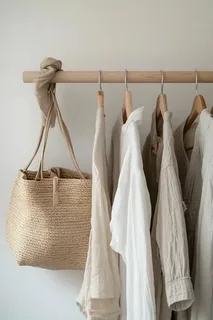
Building a wardrobe has never been easier. With endless online stores, weekly product launches, and constant fashion inspiration on social media, adding new pieces to your closet takes only a few clicks. Yet many people still stand in front of overflowing wardrobes feeling like they have nothing to wear. The issue often isn’t a lack of clothing. It’s a collection of purchases that don’t work together, wear out too quickly, or no longer reflect personal style.
An eco-friendly wardrobe offers a different perspective. Rather than focusing on quantity, it encourages thoughtful choices that combine quality, versatility, and longevity. The goal isn’t to own fewer clothes simply for the sake of minimalism. It’s to build a collection that serves your lifestyle, reduces unnecessary waste, and allows you to dress with confidence every day.
Why an Eco-Friendly Wardrobe Matters More Than Ever
Many people associate sustainable fashion with protecting the environment, and while that’s certainly an important part of the conversation, the benefits extend much further. A thoughtfully curated wardrobe saves money over time, reduces decision fatigue, and encourages smarter shopping habits. Instead of constantly replacing worn-out items or chasing short-lived trends, you begin investing in clothing that continues to perform season after season.
Fast fashion has made clothing more affordable and accessible, but it has also encouraged a cycle of constant consumption. Garments are often designed around rapidly changing trends, making them feel outdated long before they’re actually worn out. This pattern leads to overflowing closets, unnecessary spending, and a growing amount of textile waste.
Building an eco-friendly wardrobe helps you shift from reactive shopping to intentional buying. Rather than asking, “Do I like this?” you begin asking more meaningful questions about quality, versatility, and long-term value.
An eco-friendly wardrobe offers several long-term benefits:
- Reduces unnecessary clothing purchases
- Helps save money through better-quality investments
- Creates a more organized and versatile wardrobe
- Supports brands with responsible production practices
- Encourages mindful consumption instead of impulse buying
Start by Shopping Your Own Closet
One of the most sustainable purchases you’ll ever make is the one you don’t make.
Before buying anything new, spend time rediscovering the clothing you already own. Many wardrobes contain forgotten pieces that simply haven’t been styled differently in years. Rearranging your closet, trying new outfit combinations, and identifying versatile staples can completely change how you see your existing collection.
This process also helps identify genuine gaps. Instead of buying another black sweater because it’s on sale, you may realize what you actually need is a lightweight jacket or comfortable everyday trousers. Shopping your own wardrobe first creates clarity before spending money elsewhere.
A simple wardrobe audit can include:
- Separating frequently worn items from rarely worn pieces.
- Trying on clothes to confirm they still fit comfortably.
- Identifying garments that need small repairs.
- Setting aside items to donate or resell.
- Creating new outfit combinations using existing pieces.
Define Your Personal Style Before Buying More
An eco-friendly wardrobe isn’t built around trends. It’s built around consistency.
When you understand your personal style, shopping becomes significantly easier because every purchase serves a purpose. Instead of buying clothing based on momentary excitement, you begin selecting pieces that naturally fit with what you already own.
Personal style also evolves over time. Your work environment, hobbies, climate, and daily routine all influence the clothing that deserves space in your wardrobe. A person working remotely has different needs than someone attending business meetings every day. Recognizing those differences helps eliminate unnecessary purchases.
Consider asking yourself:
- Which outfits make you feel most confident?
- What colors do you wear repeatedly?
- Which fabrics feel comfortable throughout the day?
- What types of clothing stay unworn?
- Which occasions do you dress for most often?
Answering these questions creates a stronger foundation than following every seasonal fashion trend.
Invest in Quality Instead of Quantity
Quality often costs more initially, but it usually costs less over time.
A well-made coat that lasts eight years offers far greater value than several cheaper alternatives that require frequent replacement. The same principle applies to shoes, knitwear, denim, handbags, and everyday basics. Durable clothing reduces both long-term expenses and environmental impact because fewer replacements are needed.
Quality isn’t determined by price alone. Construction, fabric choice, stitching, and finishing details all influence how well a garment performs after months or years of regular wear.
Look for these signs of quality when shopping:
- Even stitching without loose threads.
- Strong seams that lie flat and feel secure.
- High-quality zippers and buttons attached firmly.
- Fabric with good weight and texture.
- Pattern alignment across seams where applicable.
A few thoughtful purchases often outperform a wardrobe full of short-lived bargains.
Choose Fabrics That Last
Fabric is one of the biggest factors influencing comfort, durability, and sustainability. While no material is perfect, some offer a better balance between environmental responsibility and everyday performance.
Natural fibers like organic cotton, linen, hemp, and responsibly sourced wool continue to be popular because they are breathable, durable, and often require fewer synthetic chemicals during production. New innovations such as recycled polyester and regenerated cellulose fibers also provide alternatives that reduce waste while maintaining excellent performance.
Understanding fabric labels helps shoppers make informed decisions instead of relying solely on marketing claims.
| Fabric | Benefits | Best For |
| Organic Cotton | Soft, breathable, lower pesticide use | Everyday basics |
| Linen | Durable, lightweight, low water use | Summer clothing |
| Hemp | Strong, long-lasting | Casual wear |
| TENCEL™ Lyocell | Smooth, moisture-wicking | Dresses, shirts |
| Recycled Polyester | Reduces plastic waste | Outerwear, activewear |
| Responsible Wool | Warm, durable | Winter clothing |
Rather than avoiding every synthetic material completely, focus on garments designed to last for years instead of seasons.
Build Around Timeless Wardrobe Staples
Fashion trends naturally come and go, but certain pieces remain useful regardless of changing styles. These staples form the backbone of an eco-friendly wardrobe because they pair effortlessly with seasonal items while reducing the need for constant replacements.
Timeless clothing also simplifies daily outfit planning. When the majority of your wardrobe works together, getting dressed becomes quicker and far less stressful.
Examples of timeless wardrobe essentials include:
- A well-fitted white shirt.
- Straight-leg or tailored denim.
- Neutral knit sweaters.
- A structured blazer.
- Comfortable leather or vegan leather loafers.
- A versatile trench coat.
- Simple white sneakers.
- A classic black dress.
These items rarely feel outdated and can be styled in countless ways throughout the year.
Create a Capsule Wardrobe That Works for Your Lifestyle
A capsule wardrobe doesn’t mean limiting yourself to a specific number of clothing items. Instead, it focuses on versatility. Every piece should work with several others, creating multiple outfits without requiring a large collection.
Many people discover they wear the same favorite garments repeatedly while ignoring a significant portion of their closet. A capsule wardrobe simply builds around those preferred pieces.
The result is a wardrobe that’s easier to maintain, easier to style, and often more enjoyable to wear because every item earns its place.
A balanced capsule wardrobe often includes:
- Neutral tops for layering.
- Comfortable trousers or jeans.
- One or two jackets.
- Everyday dresses or skirts.
- Seasonal knitwear.
- Versatile footwear.
- Minimal accessories.
Choosing complementary colors also increases outfit combinations without increasing wardrobe size.
Shop More Intentionally, Not More Frequently
One of the biggest changes people notice when building an eco-friendly wardrobe is that shopping becomes far more intentional. Instead of browsing online stores out of boredom or buying something simply because it’s discounted, each purchase serves a purpose. That mindset doesn’t remove the enjoyment of shopping. It simply shifts the focus from collecting more clothing to choosing pieces that genuinely improve your wardrobe.
Intentional shopping also reduces buyer’s remorse. Rather than ending up with items that stay in the closet with their tags still attached, you begin purchasing clothes that fit your lifestyle, complement what you already own, and remain relevant long after the excitement of a new purchase fades.
Before buying any new piece, ask yourself a few simple questions:
- Can I style this in at least three different ways?
- Does it match clothing I already own?
- Would I still want this if it weren’t on sale?
- Will I realistically wear it at least 30 times?
- Is this replacing something I genuinely need?
Taking just a few minutes to answer these questions often prevents unnecessary purchases while helping you build a wardrobe that feels intentional rather than impulsive.
Support Ethical and Transparent Fashion Brands
As consumers become more informed, many fashion brands are becoming more transparent about how their clothing is made. Responsible companies understand that shoppers care about more than attractive designs. They also want to know who made their clothes, where materials came from, and whether workers were treated fairly throughout the production process.
That doesn’t mean every ethical brand looks the same. Some focus on using organic fabrics, while others prioritize local manufacturing, fair wages, or reducing waste through made-to-order production. Looking beyond marketing slogans and researching a company’s practices provides a much clearer picture than relying on labels alone.
When evaluating a fashion brand, consider these factors:
- Supply chain transparency and manufacturing information.
- Use of certified sustainable materials.
- Fair labor policies and responsible working conditions.
- Repair, resale, or recycling initiatives.
- Honest sustainability reporting rather than vague environmental claims.
Supporting businesses that invest in responsible practices encourages wider improvements across the fashion industry while helping consumers make purchases they can feel good about.
Discover the Value of Secondhand and Vintage Fashion
Buying secondhand clothing has changed dramatically over the past decade. What was once associated primarily with thrift stores has expanded into curated online marketplaces, luxury resale platforms, and carefully selected vintage boutiques. Today, purchasing pre-owned clothing is often seen as both fashionable and financially smart.
Secondhand shopping gives quality garments a longer life while reducing demand for new production. It also allows shoppers to discover unique pieces that aren’t available in traditional retail stores, helping them develop a more distinctive personal style.
Beyond the environmental benefits, resale shopping can provide excellent value. Many high-quality garments that were originally expensive become much more affordable when purchased pre-owned, making premium craftsmanship accessible to a wider audience.
Popular secondhand shopping options include:
- Vintage clothing stores.
- Online resale marketplaces.
- Charity and thrift shops.
- Designer consignment boutiques.
- Community clothing swap events.
Buying secondhand isn’t about settling for less. It’s often about finding better quality, unique style, and greater value in one purchase.
Learn to Care for Your Clothes Properly
Even the most sustainably made garment won’t last long if it isn’t cared for correctly. Clothing maintenance is one of the simplest yet most overlooked aspects of building an eco-friendly wardrobe. A few small habits can significantly extend the life of your favorite pieces while reducing the need for frequent replacements.
Many garments become damaged not because they are poorly made, but because they’re washed too often, dried at excessive temperatures, or stored improperly. Reading care labels may seem like a small detail, but those instructions are designed to preserve fabric quality, color, and shape over time.
Simple clothing care habits include:
- Wash clothes only when necessary rather than after every wear.
- Use cold water whenever suitable for the fabric.
- Air dry delicate garments to reduce heat damage.
- Store knitwear folded instead of hanging to prevent stretching.
- Repair loose buttons or small tears before they become larger problems.
Treating clothing with care allows each piece to remain wearable for much longer, making every purchase more worthwhile.
Avoid Greenwashing When Shopping
As sustainability becomes more popular, many brands have started using environmental language in their marketing. While some companies genuinely invest in responsible practices, others rely on vague claims that sound impressive without providing meaningful evidence. This practice is often referred to as greenwashing.
A single collection labeled “eco-friendly” doesn’t necessarily mean the entire company operates sustainably. Responsible brands usually provide detailed information about their materials, production methods, certifications, and long-term sustainability goals instead of relying on broad promises.
Being a careful shopper means looking beyond attractive packaging and asking thoughtful questions before making a purchase.
Signs of Genuine Sustainability vs Greenwashing
| Responsible Brand | Possible Greenwashing |
| Shares detailed sourcing information | Uses vague terms like “green” or “natural” without explanation |
| Publishes sustainability reports | Provides little or no supporting evidence |
| Offers repair or recycling programs | Focuses only on promotional campaigns |
| Explains manufacturing practices | Avoids discussing production methods |
| Uses recognized certifications | Relies only on marketing language |
Taking a few extra minutes to research a brand often provides more confidence than relying solely on product descriptions.
Common Mistakes to Avoid When Building an Eco-Friendly Wardrobe
Building a sustainable wardrobe doesn’t require perfection, but there are a few common habits that can slow progress or create unnecessary waste. Recognizing these mistakes early makes the transition much easier.
One mistake is trying to replace everything at once. A wardrobe becomes more sustainable through gradual improvement, not by discarding perfectly wearable clothing. Another common issue is purchasing sustainable items simply because they carry an eco-friendly label, even if they don’t suit your personal style or daily routine.
Many shoppers also overlook versatility. Buying beautiful clothing that only works with one outfit limits how often it will actually be worn.
Avoid these common mistakes:
- Replacing wearable clothing unnecessarily.
- Buying without considering versatility.
- Ignoring garment quality in favor of trends.
- Trusting marketing claims without research.
- Shopping emotionally instead of intentionally.
- Overlooking clothing care and maintenance.
Building better habits is often more important than buying more sustainable products.
Small Habits That Make a Big Difference
Creating an eco-friendly wardrobe isn’t about making one perfect decision. It’s about making slightly better choices consistently over time. Small actions that seem insignificant individually often create meaningful change when repeated throughout the year.
Instead of focusing only on major purchases, many people find success by improving their everyday habits. Wearing clothing longer, repairing damaged garments, and resisting impulse purchases all contribute to a wardrobe that’s both practical and sustainable.
Simple habits worth adopting include:
- Plan shopping lists before visiting stores.
- Wait 24 hours before making non-essential purchases.
- Donate or resell clothing you no longer wear.
- Invest in quality basics before trend-driven items.
- Build outfits around versatile wardrobe staples.
- Buy with longevity rather than novelty in mind.
These habits don’t require a complete lifestyle change. They simply encourage more thoughtful decisions each time you shop.
Frequently Asked Questions
1. What is an eco-friendly wardrobe?
An eco-friendly wardrobe is a collection of clothing built around quality, durability, responsible purchasing, and long-term use rather than constant replacement.
2. Do I need to throw away my old clothes to be more sustainable?
No. The most sustainable approach is to continue wearing clothes you already own for as long as they’re in good condition before replacing them thoughtfully.
3. Is secondhand clothing considered sustainable?
Yes. Buying secondhand extends the life of existing garments, reduces waste, and decreases demand for new production.
4. How can I tell if a fashion brand is truly sustainable?
Look for transparency about manufacturing, responsible material sourcing, fair labor practices, and recognized sustainability certifications rather than relying on marketing claims alone.
5. What’s the easiest way to start building an eco-friendly wardrobe?
Begin by evaluating your current wardrobe, identifying versatile essentials, shopping intentionally, and choosing quality over quantity whenever you make future purchases.
Conclusion:
Building an eco-friendly wardrobe isn’t about chasing perfection or following strict fashion rules. It’s about creating a collection of clothing that reflects your personal style while making thoughtful choices about quality, longevity, and responsibility. Every purchase becomes more meaningful when it’s made with intention, and over time those decisions create a wardrobe that’s easier to manage, more versatile, and far more rewarding to wear. Sustainable fashion isn’t defined by how much you own. It’s defined by how well the pieces you own continue to serve you for years to come.
Call to Action
The next time you’re tempted to make an impulse purchase, pause for a moment and think about how that item fits into the wardrobe you’re building. Choosing clothing with care doesn’t mean giving up personal style. It means investing in pieces you’ll genuinely enjoy wearing again and again. Start with one thoughtful decision today, and you’ll be surprised how quickly those small choices transform both your wardrobe and the way you shop.