

I walked out of a theater in March convinced I’d just watched the best acting of the year, texted my sister about it immediately, and then three weeks later watched something else that completely knocked that opinion out of first place. This has happened to me at least four times in 2026 already, and honestly, it’s kind of the best problem to have.

That’s what makes this particular year fun to talk about. It’s not one dominant performance everyone agrees on. It’s a genuinely crowded field, and depending on who you ask at the dinner table, you’ll get a completely different answer for who’s had the best year on screen.
I’ve been going to the movies more than usual this year, partly for work, partly because 2026 has just had an unusually strong run of releases. So here’s my honest, personal breakdown of the performances that actually stuck with me, along with why I think they worked, what surprised me, and a couple I initially underestimated before they won me over completely.
Why Judging Performances Is Trickier Than It Sounds
Before diving into specifics, I want to be upfront about something. Ranking performances isn’t as objective as people pretend it is.
I used to think a “great performance” just meant big, dramatic, obviously emotional scenes. Lots of yelling, lots of crying, the kind of moment that gets clipped for an awards reel. Then I watched enough movies to realize the quietest performances are often the hardest to pull off.
A mistake I made for years was undervaluing subtlety. I’d walk out of a movie thinking the loud, showy performance was clearly the standout, only to rewatch the film months later and realize the quieter supporting actor was doing something far more difficult and far more memorable. Restraint is a skill, and it’s an easy one to overlook on a first watch.
Keep that in mind as you read through this list. Some of these performances are big and theatrical. Others are the opposite, and they’re just as deserving of your attention.
Michael B. Jordan in Sinners

I need to start here because this is genuinely one of the most impressive things I’ve seen an actor pull off in years.
Sinners has Jordan playing twin brothers who return to their hometown in the Mississippi Delta only to encounter something ancient and deeply unsettling waiting for them. Playing dual roles in the same film is already a technical challenge. Making both characters feel like fully distinct people, with different rhythms of speech and different emotional temperatures, is another level entirely.
What struck me watching this in theaters was how easy it would’ve been for one twin to feel like the “real” character and the other to feel like a gimmick. That never happens here. Both brothers feel lived-in, and the emotional weight of the story lands because you genuinely believe you’re watching two separate men rather than one actor doing a technical trick.
Jordan ended up winning Best Actor at the most recent Academy Awards for this role, and having seen the film twice now, I completely understand why. It’s the kind of performance that rewards a second viewing, because you start noticing the small physical differences between the brothers that you missed the first time around.
What I took from this: dual role performances live or die based on physical specificity. Small things, posture, pacing of speech, how a character holds a cigarette, do more work than any dramatic monologue could.
Jessie Buckley in Hamnet
I went into Hamnet expecting to admire it from a respectful distance rather than actually feel something. I was wrong, and I’m a little embarrassed about how wrong I was.
The film follows Agnes, the wife of William Shakespeare, coping with the loss of their young son, an event widely believed to have influenced the writing of Hamlet. Jessie Buckley plays Agnes, and this is not a subtle grief performance in the way you might expect from a period drama.
There’s a raw, almost feral quality to how she plays sustained loss. It’s not constant crying or constant despair. It’s something closer to a woman slowly losing her ability to perform normalcy for the people around her, scene by scene, until she simply stops trying.
Buckley won Best Actress at the most recent Oscars for this role, and having watched the film with my mom, who lost her own mother a few years back, I can say the theater around us went completely silent during her final scenes. Nobody was checking their phone. Nobody was shifting in their seat. That kind of silence in a crowded theater doesn’t happen by accident.
Step for appreciating this one properly: watch it with someone rather than alone. Grief-centered films land differently when you have someone to sit with afterward instead of processing it by yourself in silence.
Emma Stone in One Battle After Another

Paul Thomas Anderson movies tend to attract a specific kind of actor, ones willing to disappear entirely into strange, morally complicated characters rather than play something safe and likable.
Emma Stone continues that tradition here. Without giving too much away, her character gets pulled into an absurd, high-stakes situation involving two conspiracy-obsessed men convinced she’s something she’s not. What makes the performance work is her total commitment to the internal logic of an increasingly unhinged situation, playing it completely straight even as everything around her spirals into satire.
I’ve seen Stone do comedic work before, and I’ve seen her do heavy dramatic work before. This is neither exactly. It’s something stranger, somewhere between the two, and it takes a specific kind of fearless commitment to make that tonal tightrope actually work on screen.
The film ended up winning Best Picture at the most recent Academy Awards, with Stone receiving a Best Actress nomination for her role. Watching it in a packed theater, I noticed something interesting. The audience laughed at moments that, described out loud afterward, sound genuinely disturbing. That’s a testament to how well Anderson and Stone calibrate tone throughout.
Ryan Gosling in Project Hail Mary
I’ll be honest, I went into this one expecting a fairly standard sci-fi blockbuster performance. Competent, likable, forgettable within a few months.
Instead, Gosling does something a little more layered here. Based on Andy Weir’s novel, the story leans heavily on one character carrying enormous stretches of screen time essentially alone, working through problems out loud, which is an incredibly difficult thing to make watchable for two hours.
What surprised me is how Gosling blends genuine comedic timing with an underlying sense of dread that never fully goes away. It’s a mix of the deadpan control he brought to his role in La La Land, the melancholy from Blade Runner 2049, and something closer to the loose comedic energy from The Nice Guys, somehow all happening within the same performance.
There’s also a fantastic supporting element in this film involving a non-human character, brought to life through a mix of puppetry and animation, and the chemistry Gosling builds with that character is honestly one of the most memorable parts of the entire movie. It’s rare that a human actor manages to create believable chemistry with something that isn’t human at all, but it works here.
Jacob Elordi in Frankenstein

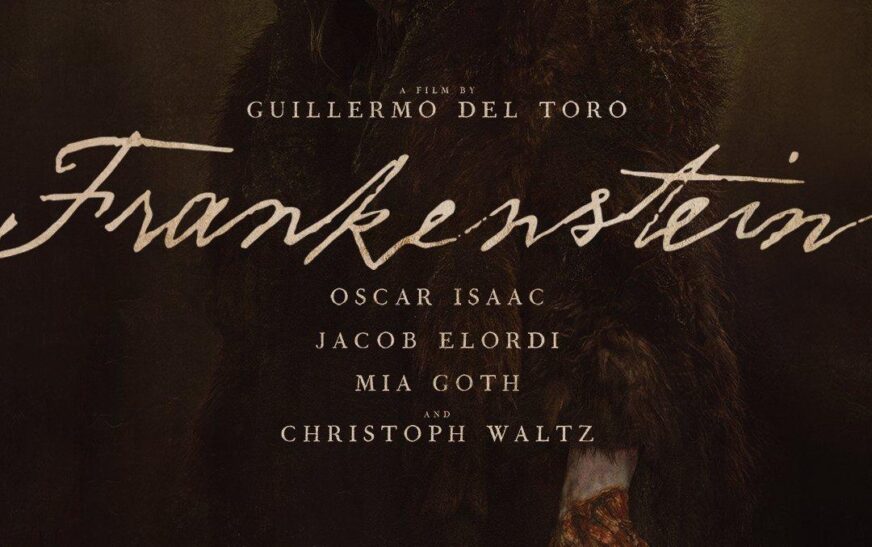
Guillermo del Toro’s take on Mary Shelley’s classic story could have easily leaned entirely on makeup and visual effects to carry the emotional weight of the creature. Instead, Elordi’s performance does a huge amount of that heavy lifting himself.
What makes this performance stand out is how much humanity comes through despite heavy physical transformation. There’s a specific quality to how he moves, almost like someone relearning how their own body works in real time, that makes the creature feel genuinely sympathetic rather than just frightening.
I went in expecting a monster movie and left thinking about the loneliness of the character far more than any of the horror elements. That’s a hard needle to thread, and it’s a big part of why critics have singled this performance out as one of the standout elements of the film.
Brad Pitt in F1 The Movie
Not every great performance needs to be emotionally devastating or technically showy. Sometimes a performance works because an actor simply understands exactly what a movie needs from them and delivers it without excess.
Pitt plays a driver in this racing drama with a laid-back, magnetic confidence that carries the entire film. It’s the kind of performance that looks effortless, which ironically makes it easy to underrate. There’s real skill in making difficult physical and emotional beats look this smooth.
Paired with kinetic, high-energy direction, the film uses Pitt’s natural charisma as the engine, pun intended, driving audiences through what could have otherwise been a fairly standard sports drama structure. It’s a reminder that not every “best performance” needs award-season prestige packaging to actually be impressive craft.
Renate Reinsve in Sentimental Value

This one might be less familiar if you mostly stick to major studio releases, but it’s absolutely worth seeking out.
Reinsve plays a woman navigating complicated family dynamics centered around memory, art, and reconciliation. It’s an intimate, quieter film compared to some of the bigger titles on this list, but the performance is arguably just as demanding, requiring an ability to convey years of unresolved tension through small gestures and hesitations rather than big speeches.
The film swept several major categories at the most recent Academy Awards, including recognition for Reinsve’s lead performance, and having watched it after a stretch of louder, more effects-driven movies, it was a genuine palate cleanser. Sometimes the best acting happens in the smallest moments, a pause before answering a question, a look held a second too long.
How I Actually Decide Which Performances Are Worth Talking About
People ask me sometimes how I separate a genuinely great performance from just a likable one. Here’s roughly the process I use.
Step one: watch for physical specificity. Does the actor move, speak, and react in a way that feels distinct to that particular character, or does it feel like the actor’s default mode regardless of the role?
Step two: check how the performance holds up on a second viewing. The best performances often reveal new details once you already know how the story ends. If a performance feels flatter the second time around, that’s often a sign it relied more on plot surprise than actual craft.
Step three: pay attention to silence in the theater. This sounds strange, but audience reaction genuinely tells you something. A packed theater going completely quiet during an emotional scene is a strong signal that a performance landed exactly as intended.
Step four: separate “likable” from “skilled.” Plenty of performances are charming without being particularly difficult. That’s fine, charisma is its own skill, but it’s worth distinguishing from performances that require genuine range or physical transformation.
Step five: read a couple of actual reviews after forming your own opinion, not before. I like to watch a film completely cold, form my own reaction, and only then check what critics said. It keeps my opinion honest rather than pre-shaped by consensus.
Common Mistakes People Make When Talking About “Best Performances”
I’ve fallen into most of these traps myself over the years, so consider this a list of things worth avoiding.
Mistake one: confusing screen time with quality. A supporting performance with fifteen minutes of screen time can absolutely outshine a lead role with two hours of it. Don’t automatically assume the biggest role is the best one.
Mistake two: ignoring performances in genres people consider less “serious.” Horror and comedy performances get overlooked constantly during awards conversations, even when the actual skill on display rivals anything in a somber drama.
Mistake three: assuming awards recognition equals objective ranking. Award shows are influenced by campaigning, timing, and studio politics as much as pure merit. A performance not nominated isn’t necessarily worse than one that was.
Mistake four: judging a performance based on trailers alone. Marketing teams often highlight the flashiest moments, which aren’t always representative of what makes a performance actually work across the full runtime.
Mistake five: dismissing effects-heavy performances as “not real acting.” Roles requiring heavy makeup, puppetry interaction, or motion capture still require enormous skill, arguably more than some traditional roles, since the actor has to convey emotion despite significant physical limitations.
Where to Actually Watch These Movies
Availability shifts constantly, but as of now, Sinners is streaming on Max, giving you a chance to revisit Jordan’s dual performance without a theater trip. One Battle After Another and Hamnet are best experienced in theaters if they’re still playing near you, given how much both films rely on sound design and scale that a home television can’t fully replicate. Project Hail Mary is available through Prime Video given its distribution, and Frankenstein and F1 The Movie tend to rotate between rental platforms like Apple TV and Prime Video depending on release windows.
If you’re unsure where something is currently available, JustWatch.com remains the easiest way to check across every major platform before committing to a rental or subscription.
A Quick Word on Trusting Your Own Reaction
Here’s something worth remembering before you go chasing every awards list this season. Your own reaction to a performance matters just as much as critical consensus.
I’ve disagreed with major awards results plenty of times, and that doesn’t make my opinion wrong or the award wrong. It just means art lands differently depending on who’s watching it and what they personally bring into the theater with them.
So take this list as a starting point rather than a definitive ranking. Watch a couple of these movies yourself, pay attention to the small moments rather than just the big emotional swings, and form your own opinion about who actually had the best year on screen.
Final Thoughts
What’s stuck with me most about 2026 isn’t really any single performance, though a few genuinely surprised me. It’s how many different kinds of acting got recognized this year, from Jordan’s technical dual role work to Buckley’s raw emotional devastation to Gosling finding comedy inside genuine dread.
That range says something good about where movies are right now. Studios are still making room for big theatrical spectacle, sure, but there’s clearly still an appetite for quieter, character-driven work too, and audiences are showing up for both.
So next time you’re deciding what to watch, don’t just default to whatever’s trending. Pick something from this list you haven’t seen yet, pay close attention to the small choices an actor makes rather than just the big dramatic beats, and see if your own ranking matches mine. Chances are it won’t completely, and honestly, that’s exactly what makes talking about this stuff fun in the first place.