
There was a period in my life where I was doing everything “right” on paper. Gym membership I used twice a month. A green smoothie phase that lasted eleven days. A meditation app I opened four times before it moved to the forgotten second page of my phone.

I was not unhealthy exactly. But I was tired all the time, my focus was patchy, and by Thursday every week I felt like I was running on fumes. The frustrating part was that I genuinely wanted to feel better. I just kept choosing approaches that were too complicated to stick with.
What actually changed things was not a dramatic overhaul. It was a handful of small adjustments that were boring enough to actually maintain. This article is about those adjustments. Nothing extreme, nothing expensive, nothing that requires you to reorganize your entire life to make work.
The Problem With Most Wellness Advice
Most wellness content sets people up to fail before they start.
It presents everything as urgent and interconnected. Fix your sleep and your diet and your stress and your movement and your hydration all at once, or you are doing it wrong. That approach overwhelms people and leads to the all-or-nothing trap where you do everything perfectly for two weeks and then burn out and do nothing.
Real lasting change comes from picking one or two things, doing them consistently until they feel automatic, and then adding something else. Boring method. Genuinely effective.
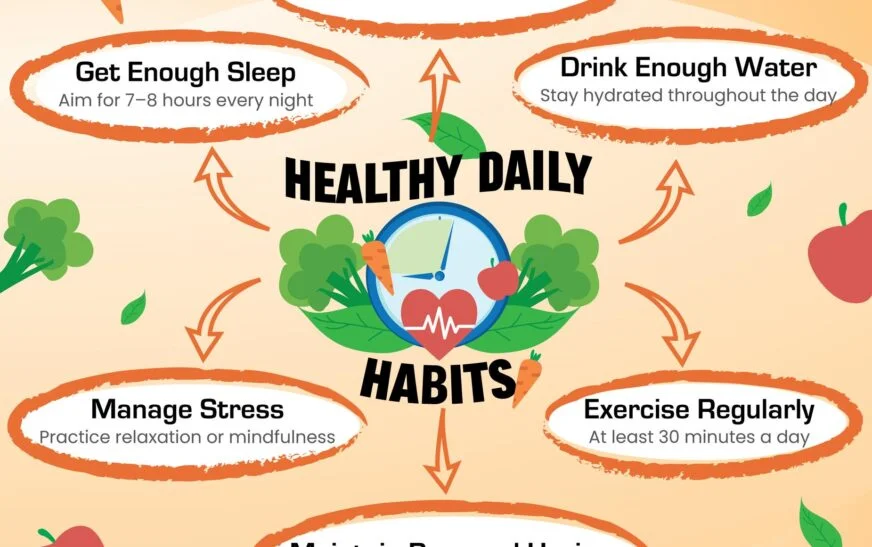
The tips below are organized by area of life. You do not need all of them. Read through, pick the two that feel most relevant to where you are right now, and start there.
Morning Habits That Set the Tone for the Rest of Your Day
What happens in the first thirty minutes after you wake up has an outsized effect on the rest of the day. Most people hand those thirty minutes to their phone without thinking about it.
Checking social media or news immediately after waking puts your brain into reactive mode before you have had a chance to feel settled. You start the day responding to other people’s priorities instead of your own. That feeling of mild anxiety and scattered focus that follows a lot of people through their mornings often starts right there.
A simple adjustment is to keep your phone out of reach for the first fifteen to twenty minutes of the day. Drink water first. Open a window. Sit for a few minutes without filling the silence with noise. It sounds almost too simple to matter. It matters more than most people expect once they actually try it consistently for a week.
Another thing worth adding is five minutes of light movement before you look at a screen. Not a full workout, just something that gets blood moving. Stretching, a short walk around the block, even a few minutes of gentle bodyweight movement. The app called Streaks is useful for building this kind of tiny habit because it tracks your daily consistency without being annoying about it.
How Hydration Actually Affects Your Energy and Focus
Most people know they should drink more water. Far fewer people understand how quickly mild dehydration affects the brain before it affects anything else.

Research published in various nutrition journals consistently shows that being even one to two percent dehydrated is enough to impair concentration, worsen mood, and produce fatigue that feels identical to the afternoon energy crash people often blame on lunch or poor sleep. You reach for a coffee when what you actually needed was a glass of water thirty minutes earlier.
A practical approach is to drink a full glass of water before your first coffee of the day and another one before each meal. This is not a complicated system. It is just using existing habits, coffee and meals, as reminders to hydrate before them. No app required, though if you want one, Daily Water Tracker Reminder on both iOS and Android is straightforward and non-annoying.
The other underrated hydration mistake is cutting off water too early in the afternoon because you are worried about sleep disruption. The smarter approach is to front-load water intake in the morning and early afternoon and taper naturally toward evening rather than stopping abruptly.
Sleep Is Not Negotiable and Most People Are Treating It Like It Is
Sleep is the area where people most consistently underestimate the damage being done.
Six hours feels functional to a lot of people because the body adapts to chronic mild sleep deprivation. What you lose is not the ability to get through your day. What you lose is the quality of your thinking, your emotional regulation, and your body’s ability to repair itself. You feel okay and you are still accumulating a deficit that affects everything from mood to metabolism to immune function.
The single most effective sleep change most people can make is keeping a consistent wake time, including on weekends. Not a consistent bedtime, which is harder to control, but a consistent time to get up. Your circadian rhythm responds to when you wake, and stabilizing that one variable improves sleep quality more reliably than almost any supplement or sleep hygiene trick.
The second change worth making is reducing screen brightness aggressively in the two hours before bed. The issue is not just blue light, it is the stimulation itself. Watching stressful content, checking work emails, or scrolling through social media activates your nervous system at exactly the time it needs to be winding down. A physical book, a podcast with your eyes closed, or even a genuinely boring television show works better than most sleep supplements.
If you want to track your sleep quality, the Oura Ring gives detailed data about sleep stages and recovery. It is a real investment. A free alternative is the Sleep Cycle app, which uses your phone’s microphone to track movement and gives you a reasonable picture of your sleep patterns without any additional hardware.
Movement Does Not Have to Mean Exercise
One of the most damaging things the fitness industry has done is create a binary between “working out” and “being sedentary.” Most people are in one mode or the other and struggle with the on-off cycle.

The research on non-exercise physical activity, which just means movement that is not a designated workout, shows it has significant independent benefits for cardiovascular health, mood, and metabolic function. Walking is the most obvious example. A thirty minute walk is not a workout by gym standards but done consistently it produces real and measurable health improvements over time.
The most effective way to add more movement is to attach it to something you already do. Walking phone calls instead of sitting ones. Taking stairs when it is a realistic option. A short walk after dinner instead of going straight to the couch. These are not replacements for exercise if exercise is already part of your life. They are genuinely valuable additions that do not require scheduling or motivation in the way a gym session does.
A simple pedometer or the built-in step counter on any modern smartphone gives you a baseline. Most people are surprised by how low their daily movement actually is once they look at the number honestly.
What You Eat Between Meals Matters More Than the Meals Themselves
People spend a lot of energy optimizing meals and very little attention on what fills the gaps between them.

The afternoon snack in particular is where a lot of unnecessary sugar and processed food enters the average person’s diet. Not because of hunger exactly, but because of habit, boredom, or an energy dip that actually has more to do with hydration or sitting too long than actual calorie need.
A useful experiment is to keep a loose note for three days of what you eat between meals and when. Not a full food diary, just the snacks. Most people discover patterns they had not consciously registered. The same time of day, the same emotional state, the same environment like a specific room or activity.
Awareness alone does not change the habit but it makes the change much easier because you are working with specific information instead of vague intentions. Swapping a habitual afternoon snack for something with protein and fiber rather than sugar produces a noticeably more stable energy level in the two hours that follow. Nuts, Greek yogurt, an apple with peanut butter. Nothing revolutionary. Consistent enough to matter.
Managing Stress Without Adding Another Thing to Your To-Do List
Stress management advice often adds more tasks to already overloaded people. Meditate. Journal. Do yoga. Take supplements. The list is long and the irony of a stressful amount of stress management advice is not lost on anyone.
The most practical stress intervention most people can make is learning to notice when their nervous system is activated and doing one physical thing to interrupt it. Not a twenty minute breathwork session. Something that takes thirty seconds.
A slow exhale that is longer than the inhale activates the parasympathetic nervous system and measurably reduces the physical stress response. Breathe in for four counts, out for six. Do it three times. That is it. You can do this at your desk, in a car, in a bathroom between meetings. It does not require an app or a quiet room or any equipment.
The other underrated stress reducer is reducing decisions. Decision fatigue is real and it accumulates across a day. Simplifying repeating choices, what to eat for lunch, what to wear, which route to take, frees cognitive resources for things that actually matter. This is not a personality change, it is a structural adjustment to your environment.
Common Mistakes That Undermine Good Wellness Intentions
Trying to overhaul everything at once. This is the most common reason wellness efforts fail. Pick one area, build the habit until it is genuinely automatic, then add something new.
Treating rest as a reward rather than a requirement. Rest is not something you earn after being productive. It is what makes sustained productivity possible. Scheduling genuine rest, not passive screen consumption but actual mental downtime, is a wellness practice as important as movement or nutrition.
Comparing your baseline to other people’s optimized version. What someone posts about their morning routine or diet is their highlight reel. Your starting point is your starting point. Progress from where you actually are, not from where you think you should be.
Ignoring the basics while chasing advanced solutions. Before investigating supplements, biohacking tools, or specialized diets, it is worth honestly assessing whether you are sleeping enough, drinking enough water, moving enough, and eating mostly real food. For most people, those four things alone produce significant improvement when done consistently.
A Simple Way to Start This Week
Pick one thing from this article. Just one.
Drink water before your first coffee tomorrow morning. Keep your phone off for fifteen minutes after you wake up. Go to bed and wake up at the same time for five days straight.
Small and consistent beats ambitious and sporadic every time. That is the one piece of wellness advice that holds up across every area, every research study, and every honest conversation with someone who has actually made lasting changes to how they feel.
Start small. Do it again tomorrow. See what happens after thirty days.
The Most Talked-About Celebrity Moments of 2026 So Far
You know that feeling when you open your phone in the morning and there is already a notification telling you something insane happened overnight in the celebrity world? That has been basically every week in 2026. Genuinely, I cannot keep up.

I have been following pop culture seriously for years and this year already feels different. The moments are louder, more divisive, and somehow stranger than usual. Some have been genuinely historic. Others have been chaotic in the best possible way. A few have been uncomfortable to watch but impossible to look away from.
Here is a breakdown of the celebrity moments that had everyone talking in 2026, from February right through to Coachella season. Real events, real reactions, no filler.
Bad Bunny’s Super Bowl Halftime Show That Divided the Entire Country
This was the moment that set the tone for the whole year.
Bad Bunny headlined the Apple Music Super Bowl LX Halftime Show on February 8, 2026 at Levi’s Stadium in Santa Clara, California. It marked the first time a Latino solo artist headlined the Super Bowl halftime show, and the first halftime set performed almost entirely in Spanish.
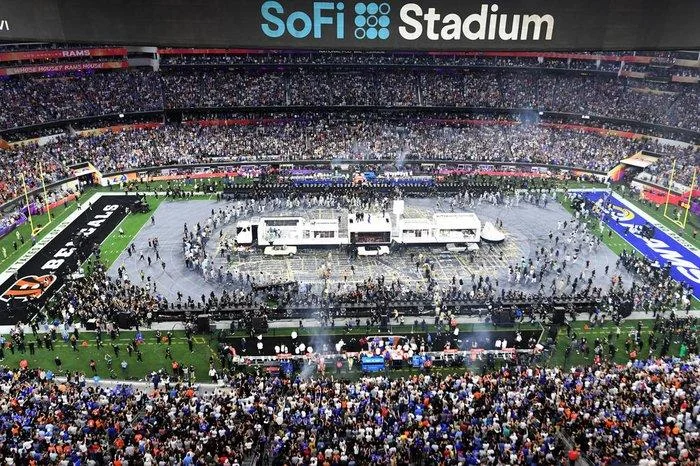
The reaction was immediate and split right down the middle.
Bad Bunny opened the performance with “Tití Me Preguntó” before transitioning to “Yo Perreo Sola.” He brought out Lady Gaga and Ricky Martin as special guests. Lady Gaga dancing to reggaeton in front of 128 million viewers was genuinely one of those moments you had to see live to believe.
The performance drew 128.2 million viewers domestically across all platforms, making it the fourth-most-watched halftime show in history.
And then the controversy kicked in.
President Trump criticized the performance on Truth Social, calling it “absolutely terrible, one of the worst, ever!” Rolling Stone noted that Trump’s reaction came despite the White House having previously stated that he would not be watching the halftime show.
Meanwhile, the other half of the internet was celebrating it as a cultural milestone. Duolingo reported that almost 49 million people worldwide were learning Spanish on the app at the time of the NFL’s announcement. The show sparked more conversations about Latino representation in mainstream American entertainment than anything in recent memory.
JJ Watt summed up a lot of people’s reaction perfectly: “Did I understand a single word of it? I did not. Was it a vibe? It was.”
That about covers it.
Zendaya and Tom Holland Confirming the Wedding Nobody Was Invited To
This one played out over several months and had every stage of the internet losing its mind in sequence.
Speculation over whether the actors had officially tied the knot began when Law Roach, Zendaya’s stylist, said on the Golden Globes red carpet that their wedding “already happened” and “it’s very true.” Roach’s revelation sent social media into a tailspin and resulted in viral AI-generated photos of Zendaya in a wedding dress.
Then came Zendaya’s response. She told Jimmy Kimmel in March that “many people” in her personal life were also fooled by the AI photos and got mad they did not receive an invite. She handled the whole thing with a kind of calm humor that only made people love her more.
The final confirmation came in the most understated way possible. Tom Holland said in an Esquire cover story that when asked if he had to send messages to family members about the AI wedding photos, he responded: “No, because they were all there.”
That one line broke Twitter. Again.
The whole saga was fascinating because it showed exactly how celebrity privacy works now. They never announced anything. They never confirmed anything officially. And yet the story played out completely in public over three months through hints, stylist slip-ups, and AI-generated fake photos that confused even people who personally knew them.
The 2026 BAFTAs and the Red Carpet Nobody Could Stop Analyzing
The BAFTAs in February delivered drama both on stage and off it.
The 79th British Academy Film Awards took place on February 22, 2026 at London’s Royal Festival Hall. Robert Aramayo’s win for Best Leading Actor in “I Swear” was widely considered the defining viral moment of the night. Aramayo became the first actor in BAFTA history to win both the EE Rising Star Award and Best Leading Actor in the same ceremony, defeating high-profile A-listers Leonardo DiCaprio and Timothée Chalamet.
His father jumping to his feet in the audience became one of those genuinely emotional moments that circulated for days.
But the moment that overshadowed everything else happened on the red carpet. Prince William and Princess Kate attended together for the first time since 2023, arriving just three days after Prince Andrew’s arrest. Body language experts dissected their appearance at length, with observers widely describing them as appearing tense and “on edge.”
The optics were rough and the internet was not gentle about it. Whether that analysis was fair or not, the conversation dominated the BAFTA coverage for the week that followed.
Sabrina Carpenter’s Coachella Performance and the Apology That Followed
Coachella 2026 gave everyone multiple things to talk about, but Sabrina Carpenter’s headline set on opening night was the biggest.
Carpenter created something called “Sabrinawood” for her set, blending elements of Los Angeles and the desert. She had told Perfect magazine ahead of the festival that it was “the most ambitious show I’ve ever done” and that the planning process had started seven months earlier.
The show delivered on that promise. During the performance of “Juno,” Carpenter introduced Madonna, who returned to the festival stage after two decades of absence. Social media immediately began comparing the moment to the passing of an artistic torch between generations.
Then a separate incident from the same night started circulating. While sitting at the piano before a song, a fan in the audience let out a Zaghrouta, an Arabic celebration call commonly used at weddings and celebrations in the Middle East and North Africa. Carpenter reacted with confusion and called it “weird.” After the video went viral, she posted an apology on X.
She wrote: “My apologies, I didn’t see this person with my eyes and couldn’t hear clearly. My reaction was pure confusion, sarcasm and not ill intended. Could have handled it better!”
The apology was widely accepted as genuine and the moment moved quickly. But it added an interesting layer to what was otherwise a landmark performance night.
The 2026 Is the New 2016 Trend That Took Over January
Before any of the above happened, January 2026 kicked off with a nostalgia wave that nobody predicted.
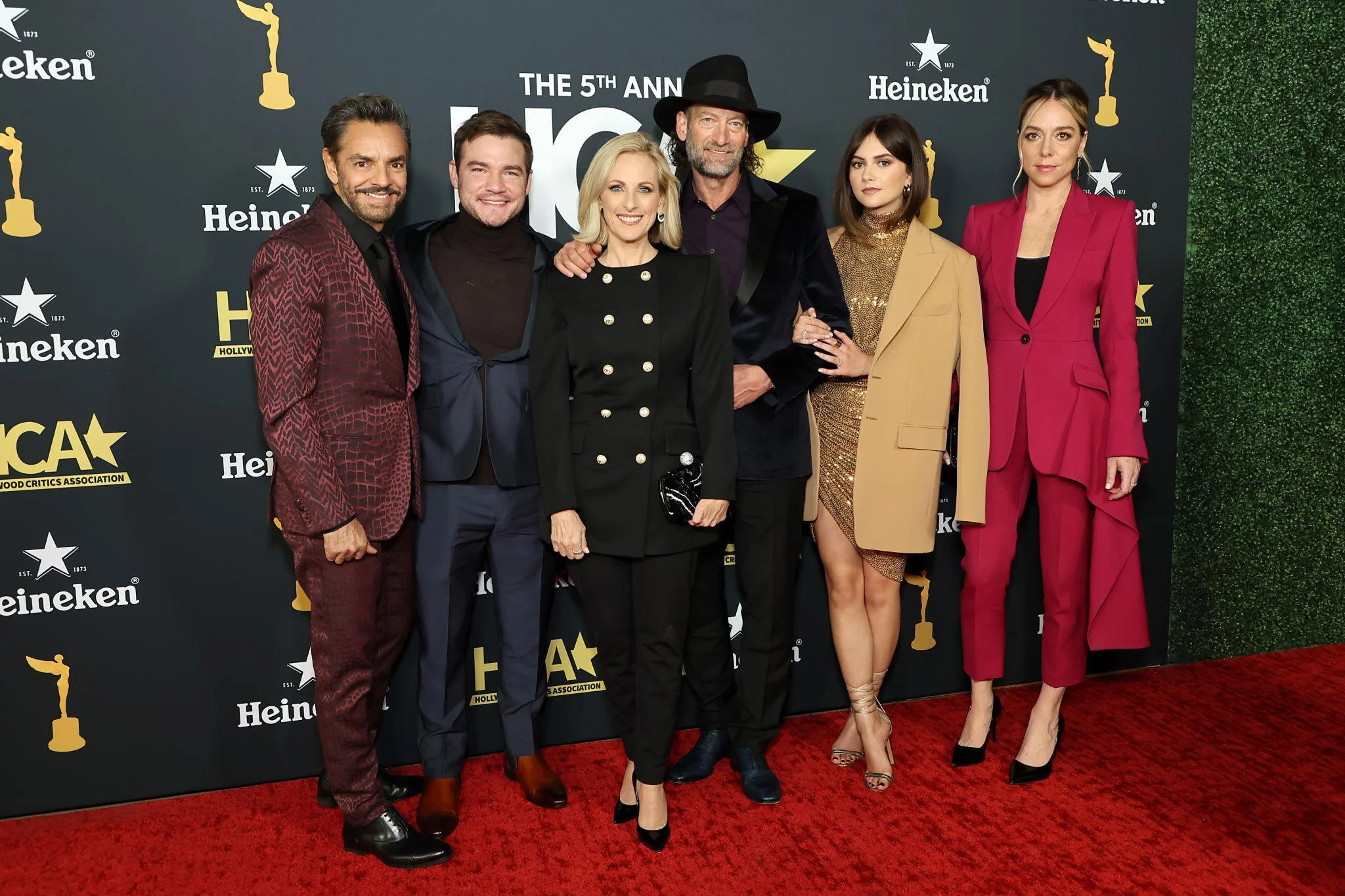
On the first day of 2026, many took to social media to share fondness for the year 2016, attempting to revive the culture that held relevance back then. Users posted ten-year-old snapshots, tuned to songs that dominated a decade ago.
Celebrities jumped in immediately. Charlie Puth shared a video of himself lip-syncing to his and Selena Gomez’s decade-old hit “We Don’t Talk Anymore” with the caption “Heard it was 2016 again?” on Instagram. Hailey Bieber posted a video of herself with Kendall Jenner and Justine Skye lip-syncing on TikTok. The hashtag #2016 spawned over 1.7 million posts on TikTok.
It was the kind of cultural moment that felt completely spontaneous and genuinely fun before the more serious stories of the year took over.
Britney Spears and a March That Got Complicated
This one belongs on the list because it was everywhere and because it was genuinely hard to watch unfold in real time.
In early March, Britney Spears was pulled over for erratic driving near her home in California. Highway Patrol said she “showed signs of impairment” and she was arrested for driving under the influence of a combination of drugs and alcohol.
Her representative released a statement describing it as “an unfortunate incident that is completely inexcusable” and said she would comply with the law. The statement added that the team hoped the incident would prove “the first step in long overdue change.”
The conversation that followed was revealing about how much the public’s relationship with Britney has evolved since the conservatorship years. There was genuine concern rather than mockery, which felt like a shift worth noting.
How to Actually Follow Celebrity News Without Losing Your Mind
For anyone who wants to stay on top of moments like these without spending three hours a day doom-scrolling, a few tools genuinely help.
Apple News and Google News both let you set up alerts for specific celebrities or topics so you only see the stories you care about rather than everything at once. For real-time reactions, Twitter and X remain the fastest way to catch a moment as it happens, particularly for live events like award shows and festivals.
For more considered coverage without the noise, outlets like Variety, Rolling Stone, and Entertainment Weekly publish longer pieces that give context rather than just screenshots and hot takes.
The main mistake most people make is trying to follow everything. Pick five or six celebrities or topics you genuinely care about and filter everything else out. The internet will still be there if something massive happens.
Why 2026 Feels Different From Other Years in Celebrity Culture
Something has shifted in how these moments land.
The Bad Bunny halftime show was not just a concert, it became a conversation about language, representation, and political identity. The Zendaya wedding saga became a discussion about AI, privacy, and what we are even allowed to know about famous people’s lives. The Sabrina Carpenter apology showed how quickly public opinion can move when a celebrity responds genuinely rather than with legal language.
The moments themselves are not necessarily bigger than previous years. But they seem to carry more weight. Each one connects to something larger happening in culture.
There are still several months left in 2026. Based on how the year has started, the list is going to get longer.
Final Thoughts on the Year So Far
Watching 2026 celebrity culture unfold has been genuinely unpredictable in a way that years of following this stuff rarely delivers. The Super Bowl halftime show will be studied in media courses. The Zendaya wedding will be cited as a case study in how AI-generated content blurs into real information. Coachella reminded everyone that live music moments still matter in ways recorded content cannot replicate.
None of these stories are finished. Some of them will have developments by the time you read this. That is the nature of celebrity news in this particular era.
What is worth appreciating is that the interesting moments are still genuinely interesting, not manufactured. When a Puerto Rican artist performs entirely in Spanish at the Super Bowl and draws 128 million viewers, that is not a PR stunt. When two actors keep their wedding genuinely private in the age of constant surveillance, that is remarkable. When a young pop star apologizes directly and without PR speak, people notice.
Keep watching. This year has more to give.