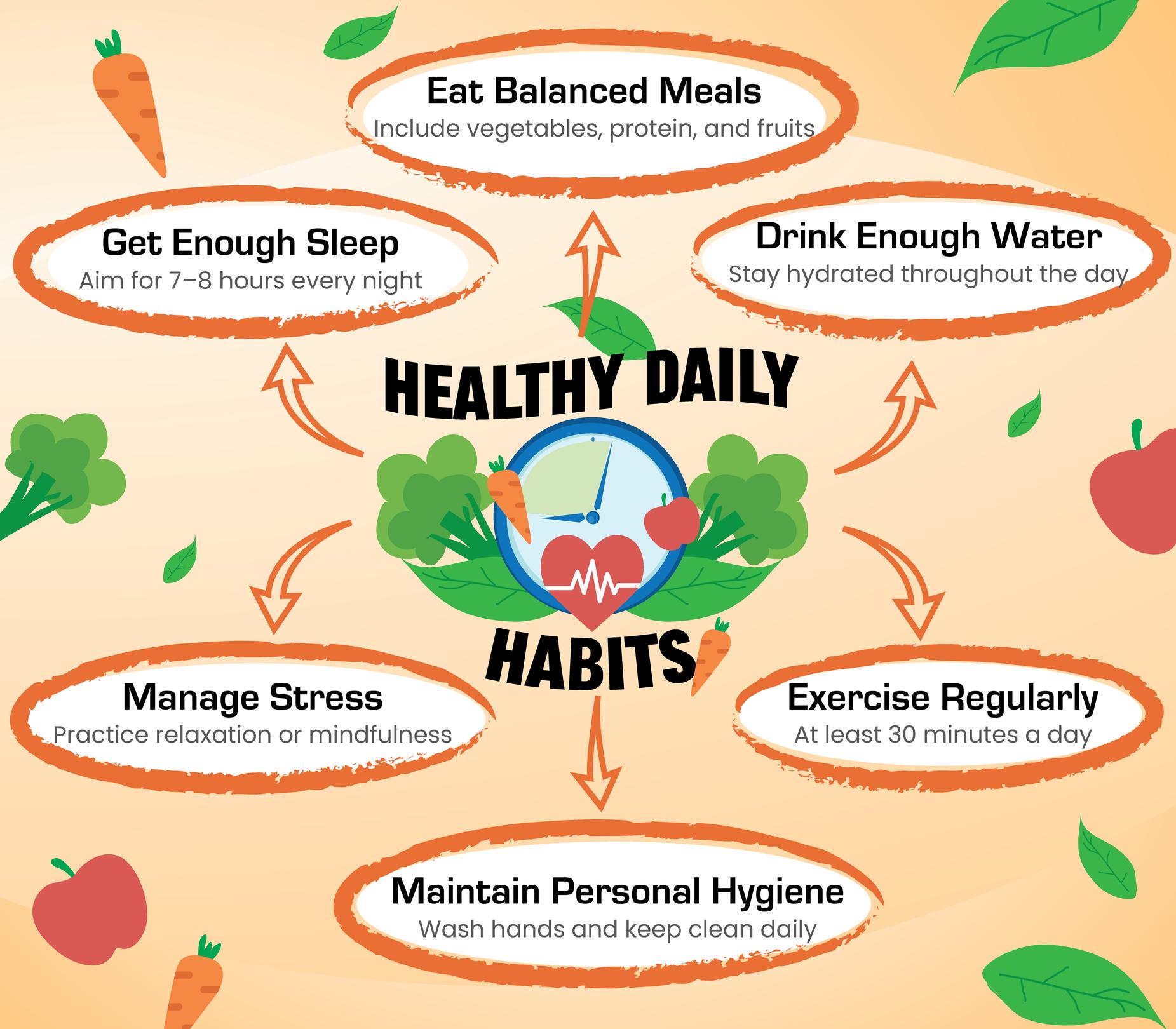

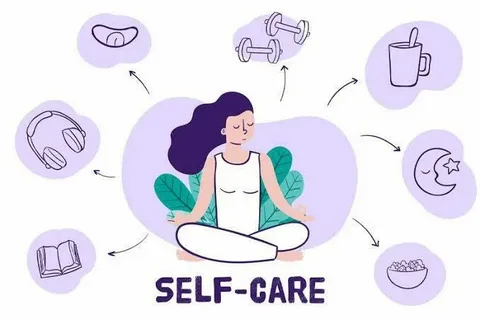
Self-care is often misunderstood. Many people associate it with expensive spa treatments, luxury vacations, or occasional indulgences reserved for special occasions. While those experiences can certainly feel refreshing, genuine self-care goes much deeper. It involves the everyday practices that support your physical health, emotional well-being, mental clarity, and overall quality of life.
Modern life can feel demanding. Between work responsibilities, family commitments, social obligations, and endless digital distractions, it is easy to place your own needs at the bottom of the priority list. The result is often exhaustion, stress, and a gradual sense of disconnection from yourself. Thoughtful self-care rituals provide a way to recharge, restore balance, and build a healthier relationship with both your mind and body.
Why Self-Care Is More Than a Trend
Self-care has become a popular topic in recent years, but its importance extends far beyond social media posts and wellness marketing. At its core, self-care is about maintaining the resources needed to function well in daily life.
People often wait until they feel overwhelmed before taking care of themselves. Unfortunately, recovery becomes much harder when stress has already accumulated. Consistent self-care works best as a preventative practice rather than an emergency solution.
When practiced regularly, self-care can improve energy levels, strengthen resilience, support better decision-making, and contribute to long-term happiness.
Benefits of Consistent Self-Care
- Reduced stress and anxiety
- Improved emotional well-being
- Better physical health
- Increased productivity
- Stronger self-confidence
- Better sleep quality
- Greater life satisfaction
Create a Calm and Intentional Morning Ritual
The way you begin your day can influence your mindset for hours afterward. Many people wake up and immediately dive into notifications, emails, or social media. While it may feel productive, it often creates a sense of urgency before the day has properly begun.
A thoughtful morning ritual allows you to start from a place of calm rather than chaos. It does not need to be complicated or time-consuming. Even a few intentional activities can create a positive foundation for the day ahead.
The goal is to create space for yourself before responding to external demands. This small shift can make mornings feel significantly less stressful.
Morning Self-Care Practices
| Ritual | Benefit |
| Drink water upon waking | Supports hydration |
| Gentle stretching | Relieves stiffness |
| Deep breathing exercises | Promotes calmness |
| Journaling | Clears mental clutter |
| Short walk outdoors | Boosts energy and mood |
| Reading a few pages | Encourages mindfulness |
Prioritize Quality Sleep as a Wellness Ritual
Many people view sleep as something that simply happens at the end of the day. In reality, quality sleep is one of the most powerful forms of self-care available.
Sleep affects nearly every aspect of health. It influences mood, memory, concentration, immune function, and physical recovery. Consistently poor sleep can make even simple daily tasks feel overwhelming.
Creating an evening routine that supports restful sleep can dramatically improve overall well-being. Small changes often produce surprisingly meaningful results.
Evening Habits for Better Sleep
- Maintain a consistent bedtime
- Reduce screen exposure before bed
- Keep the bedroom cool and comfortable
- Limit caffeine in the evening
- Read instead of scrolling social media
- Practice relaxation techniques before sleep
Nourish Your Body Without Obsessing Over Perfection
Self-care is not about strict diets or unrealistic expectations. It is about providing your body with the nourishment it needs to function at its best while maintaining a healthy relationship with food.
Many people approach wellness with an all-or-nothing mindset. They follow highly restrictive plans for a short period and then abandon them entirely. Sustainable habits are far more effective than temporary extremes.
Focusing on balance rather than perfection allows healthy eating to become a lifestyle rather than a source of stress.
Simple Nutrition Habits That Support Wellness
| Habit | Why It Helps |
| Eat more whole foods | Provides essential nutrients |
| Stay hydrated | Supports overall health |
| Include protein in meals | Promotes fullness |
| Add fruits and vegetables daily | Increases nutrient intake |
| Eat mindfully | Improves awareness and satisfaction |
Move Your Body in Ways You Enjoy
Exercise is often framed as a tool for changing appearance, but its benefits extend far beyond physical aesthetics. Movement supports mental health, reduces stress, improves cardiovascular function, and increases energy levels.
The most effective form of exercise is usually the one you genuinely enjoy. If a workout feels like punishment, consistency becomes difficult. Enjoyable activities are much easier to maintain over time.
Self-care movement is less about forcing yourself through exhausting routines and more about finding ways to celebrate what your body can do.
Enjoyable Ways to Stay Active
- Walking in nature
- Yoga sessions
- Dancing
- Swimming
- Cycling
- Strength training
- Recreational sports
Create a Digital Detox Ritual
Technology connects us to information, entertainment, and other people. At the same time, constant connectivity can become mentally exhausting. Many individuals spend large portions of their day switching between notifications, emails, social media feeds, and online content.
This constant stimulation leaves little room for reflection or mental rest. A digital detox ritual does not require abandoning technology completely. It simply involves creating intentional breaks from screens.
Many people notice improvements in mood, focus, and sleep quality when they reduce unnecessary screen time.
Signs You May Need a Digital Detox
| Sign | Impact |
| Constant phone checking | Reduced focus |
| Difficulty relaxing | Increased stress |
| Sleep disruption | Lower energy |
| Comparison on social media | Reduced self-esteem |
| Mental exhaustion | Decreased productivity |
Practice Journaling for Mental Clarity
Journaling is one of the simplest yet most effective self-care rituals. It provides a private space to process thoughts, emotions, goals, and experiences.
Many people carry stress because they never give themselves an opportunity to reflect. Writing creates a structured outlet for those thoughts and often helps reveal solutions that were not immediately obvious.
You do not need to write pages every day. Even a few minutes of journaling can improve clarity and emotional awareness.
Journaling Prompts to Try
- What am I grateful for today?
- What is currently causing stress?
- What went well today?
- What lesson did I learn recently?
- What would make tomorrow better?
Protect Your Energy Through Healthy Boundaries
One of the most overlooked forms of self-care involves setting boundaries. Many people become overwhelmed because they consistently prioritize everyone else’s needs while neglecting their own.
Healthy boundaries help preserve emotional energy and prevent burnout. They allow you to support others without sacrificing your own well-being in the process.
Learning to say no can feel uncomfortable initially, especially for people who are used to pleasing others. However, boundaries are essential for maintaining healthy relationships and protecting mental health.
Healthy Boundaries Might Include
- Limiting work after hours
- Protecting personal time
- Saying no without guilt
- Reducing exposure to negativity
- Creating realistic expectations
- Prioritizing rest when needed
Practice Mindfulness to Reduce Daily Stress
Many people spend their days thinking about what happened yesterday or worrying about what might happen tomorrow. As a result, they rarely experience the present moment fully. Mindfulness is a self-care ritual that helps bring attention back to the here and now.
Contrary to popular belief, mindfulness does not require hours of meditation or complete silence. It can be practiced during ordinary activities such as eating, walking, breathing, or even washing dishes. The goal is simply to become more aware of your thoughts, feelings, and surroundings without immediately reacting to them.
Regular mindfulness practice can help reduce stress, improve emotional regulation, and increase overall life satisfaction. Even a few minutes each day can make a noticeable difference.
Simple Mindfulness Rituals
| Ritual | Benefit |
| Deep breathing exercises | Reduces tension |
| Mindful walking | Increases awareness |
| Meditation | Improves focus |
| Body scan exercises | Encourages relaxation |
| Mindful eating | Enhances appreciation of meals |
Make Time for Activities That Bring Joy
As responsibilities increase, many adults gradually stop making time for hobbies and activities they genuinely enjoy. Leisure often feels less important than work, errands, or productivity. Yet enjoyment plays a crucial role in emotional well-being.
Self-care is not only about preventing burnout. It is also about creating opportunities for happiness and fulfillment. Activities that spark curiosity, creativity, or excitement help replenish emotional energy and make life feel more balanced.
The best hobbies are not necessarily productive. Their value comes from the enjoyment they provide.
Joyful Activities Worth Exploring
- Painting or drawing
- Gardening
- Reading fiction
- Baking
- Photography
- Playing a musical instrument
- Crafting
- Learning a new skill
Build Confidence Through Daily Self-Respect
Confidence is often portrayed as a personality trait that some people naturally possess. In reality, confidence is frequently built through repeated acts of self-respect.
When you consistently care for your physical and emotional needs, you send yourself a powerful message: your well-being matters. Small actions such as keeping promises to yourself, maintaining healthy habits, and practicing self-compassion gradually strengthen self-trust.
Self-care and confidence are closely connected because both involve treating yourself with kindness and respect rather than constant criticism.
Confidence-Building Self-Care Habits
| Habit | Benefit |
| Keeping commitments to yourself | Builds trust |
| Practicing positive self-talk | Improves mindset |
| Celebrating small wins | Increases motivation |
| Learning new skills | Expands confidence |
| Prioritizing health | Enhances self-respect |
Nurture Meaningful Relationships
Human connection is a vital component of overall well-being. While self-care often focuses on individual practices, relationships significantly influence emotional health and happiness.
Strong relationships provide support during difficult times and help create a sense of belonging. Unfortunately, busy schedules can make it easy to neglect personal connections.
Making time for meaningful conversations, shared experiences, and genuine connection is a form of self-care that benefits both you and the people around you.
Relationship Rituals That Strengthen Connections
- Call a friend regularly
- Share meals with loved ones
- Express appreciation openly
- Practice active listening
- Schedule quality time together
- Check in on family members
Create a Weekly Reset Ritual
Daily habits are important, but weekly self-care rituals can provide an opportunity to reflect, recharge, and prepare for the days ahead. A weekly reset helps prevent stress from building up over time.
This ritual can be as simple or detailed as you prefer. The purpose is to evaluate how the week went, organize upcoming responsibilities, and create space for relaxation.
Many people find that a weekly reset helps them feel more prepared and less overwhelmed.
Weekly Reset Checklist
| Task | Purpose |
| Plan the upcoming week | Creates clarity |
| Organize your space | Reduces stress |
| Review goals | Maintains focus |
| Prepare healthy meals | Saves time |
| Schedule self-care activities | Encourages consistency |
| Reflect on accomplishments | Builds motivation |
Spend More Time in Nature
Nature has a unique ability to restore mental energy and reduce stress. Whether it is a walk through a local park, time spent gardening, or simply sitting outdoors, exposure to natural environments can have a calming effect.
Many people spend most of their day indoors surrounded by screens, artificial lighting, and constant stimulation. Spending time outside provides a welcome contrast and helps create a sense of balance.
You do not need to hike a mountain or visit a remote destination to experience the benefits. Small moments in nature can still have a meaningful impact.
Benefits of Time Outdoors
- Reduced stress levels
- Improved mood
- Better concentration
- Increased physical activity
- Enhanced creativity
- Greater sense of calm
Self-Care Mistakes to Avoid
Self-care can become ineffective when approached with unrealistic expectations. Some people turn it into another source of pressure, creating rigid routines that feel exhausting rather than restorative.
The purpose of self-care is to support your well-being, not create additional stress. Understanding common mistakes can help you build a healthier approach.
Common Self-Care Mistakes
| Mistake | Better Approach |
| Waiting until burnout occurs | Practice preventive self-care |
| Seeking perfection | Focus on consistency |
| Comparing routines to others | Personalize your approach |
| Ignoring emotional needs | Address mental well-being |
| Treating self-care as a reward | Make it a priority |
Sample Daily Self-Care Routine
Building a self-care routine does not require hours of free time. Small rituals performed consistently can create significant benefits.
Example Self-Care Schedule
| Time | Self-Care Activity |
| Morning | Hydration and stretching |
| Mid-Morning | Short outdoor walk |
| Afternoon | Balanced meal and mindful break |
| Evening | Reading or journaling |
| Night | Relaxation routine and quality sleep |
Frequently Asked Questions
1. What is the most important self-care ritual?
There is no single ritual that works for everyone, but quality sleep, regular movement, healthy nutrition, and stress management are excellent foundations.
2. How much time should I spend on self-care daily?
Even 15 to 30 minutes of intentional self-care can provide meaningful benefits when practiced consistently.
3. Is self-care selfish?
No. Taking care of yourself allows you to show up more effectively for work, relationships, and other responsibilities.
4. What if I struggle to stay consistent?
Start small. Choose one simple ritual and focus on making it part of your routine before adding more habits.
5. Can self-care improve mental health?
Yes. Self-care practices such as exercise, mindfulness, sleep, journaling, and social connection can positively support mental well-being.
Conclusion:
The most effective self-care rituals are not necessarily the most expensive, time-consuming, or elaborate. They are the habits that consistently support your physical health, emotional well-being, and overall happiness. By making self-care a regular part of your daily life rather than an occasional luxury, you create a stronger foundation for a healthier, more balanced, and more fulfilling future.
Call to Action
Choose one self-care ritual from this article and commit to practicing it every day for the next week. Pay attention to how it affects your mood, energy, and overall well-being. Small acts of self-care may seem simple, but their impact often grows far beyond what you initially expect.